“Looking for the best Grandma cookies? These delicious treats bring back nostalgic memories in every bite.”
There is a reason the phrase grandma’s cookies instantly brings to mind a warm kitchen, a flour-dusted counter, and the smell of something sweet cooling on a wire rack. The best cookies rarely taste special because of one dramatic ingredient. More often, their magic comes from a series of small, thoughtful choices: the kind of sugar used, the temperature of the butter, a pinch of salt, a little patience, and the confidence to pull the tray from the oven at just the right moment.
Whether you are trying to recreate childhood favorites, improve your weekend baking, or understand why grandma peanut butter cookies always seem softer, richer, and more memorable than ordinary ones, this guide breaks down the “secret ingredients” that make homemade cookies taste nostalgic.
Why Grandma Cookies Are So Special: The Secret Is Balance
Great cookies are built on balance. Sweetness needs salt. Richness needs structure. Crisp edges need soft centers. Peanut butter needs enough flour to hold its shape, while chocolate chip dough needs enough fat and sugar to spread beautifully.
When people talk about the secret behind GRANDMA COOKIES, they are often describing a feeling as much as a flavor. The cookies taste familiar, comforting, and dependable. That comes from recipes that are not overly complicated but are carefully handled.
A truly memorable cookie usually balances:
- Fat, for tenderness and flavor
- Sugar, for sweetness, browning, and texture
- Flour, for structure
- Eggs, for moisture and binding
- Salt, for contrast
- Leavening, for lift and spread
- Flavorings, such as vanilla, peanut butter, spices, or chocolate
- Time, which allows the dough to hydrate and deepen in flavor
The good news is that you do not need a professional bakery setup to make cookies that taste like they came from grandma’s kitchen. You just need to understand what each ingredient is doing.
Butter: The Flavor Foundation
Butter is one of the most important ingredients in classic cookies because it contributes flavor, tenderness, and that irresistible aroma that fills the kitchen while the cookies bake.
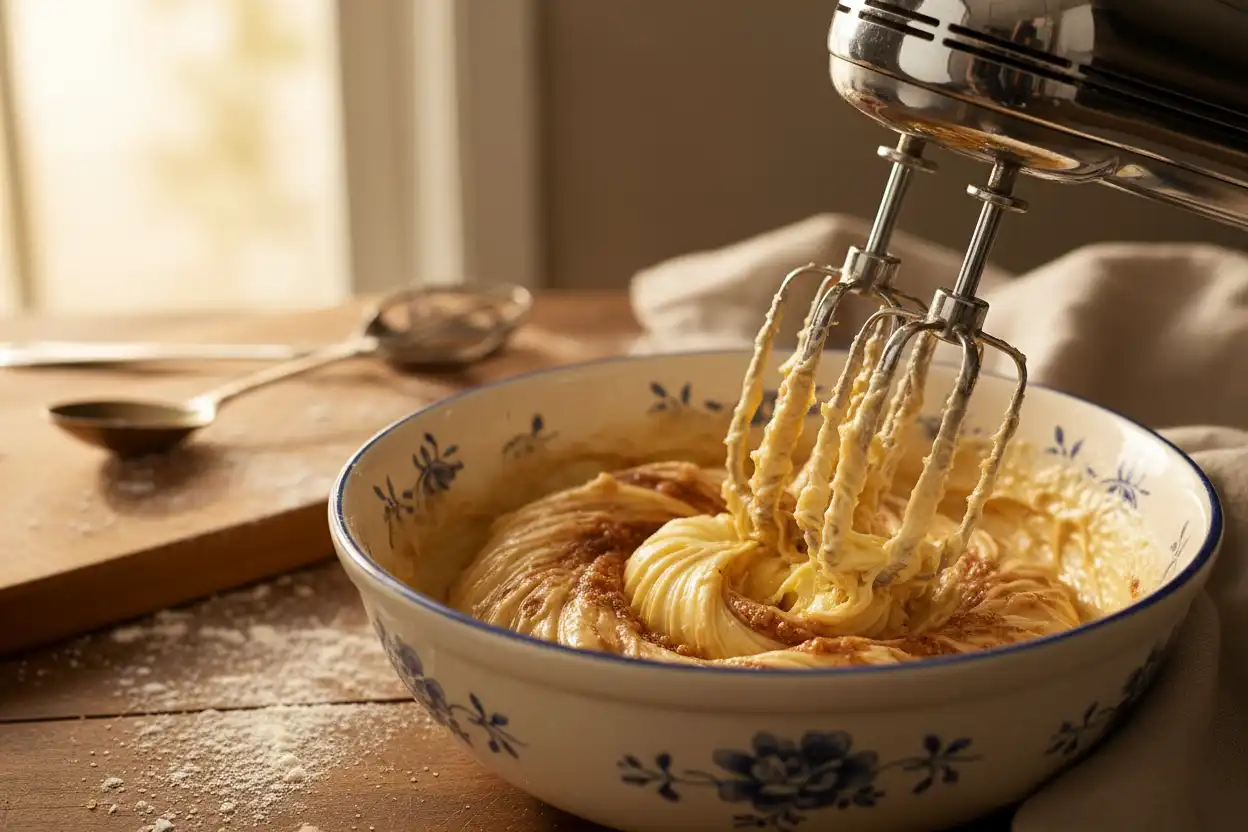
Softened butter creates a lighter, slightly thicker cookie when creamed with sugar. Melted butter produces a denser, chewier cookie with a more caramel-like flavor. Browned butter adds a nutty depth that can make a simple chocolate chip cookie taste extraordinary.
For a nostalgic style, use real butter whenever possible. Margarine and spreads may work in some recipes, but they often contain extra water, which can change texture and spread. If your cookies turn out flat or greasy, the butter may have been too warm, or the dough may have needed chilling before baking.
A useful rule: softened butter should give slightly when pressed but should not look shiny, oily, or melted.
Brown Sugar Brings the Chew
If you have ever wondered why grandma’s cookies are often softer and more flavorful than basic cookie recipes, brown sugar is usually part of the answer.
Brown sugar contains molasses, which adds moisture, acidity, and a deeper caramel flavor. Cookies made with more brown sugar tend to be softer and chewier. Cookies made with more white sugar tend to spread more and develop crisper edges.
For a classic homemade texture, many bakers use a mix of both:
- More brown sugar for chewy centers
- More white sugar for crisp edges
- A blend of both for the best of each texture
This is especially useful for grandma cookies chocolate chip recipes, where the goal is often a cookie with golden edges, a tender center, and pockets of melted chocolate.
A Pinch of Salt Makes Sweetness Shine
Salt is not just for savory cooking. In cookies, it makes sweetness taste fuller and keeps the flavor from feeling flat.
Even a small amount can enhance butter, peanut butter, vanilla, chocolate, and brown sugar. If your cookies taste sweet but not especially flavorful, they may need a touch more salt. Many old-fashioned recipes include salted butter, and that subtle saltiness is part of their charm.
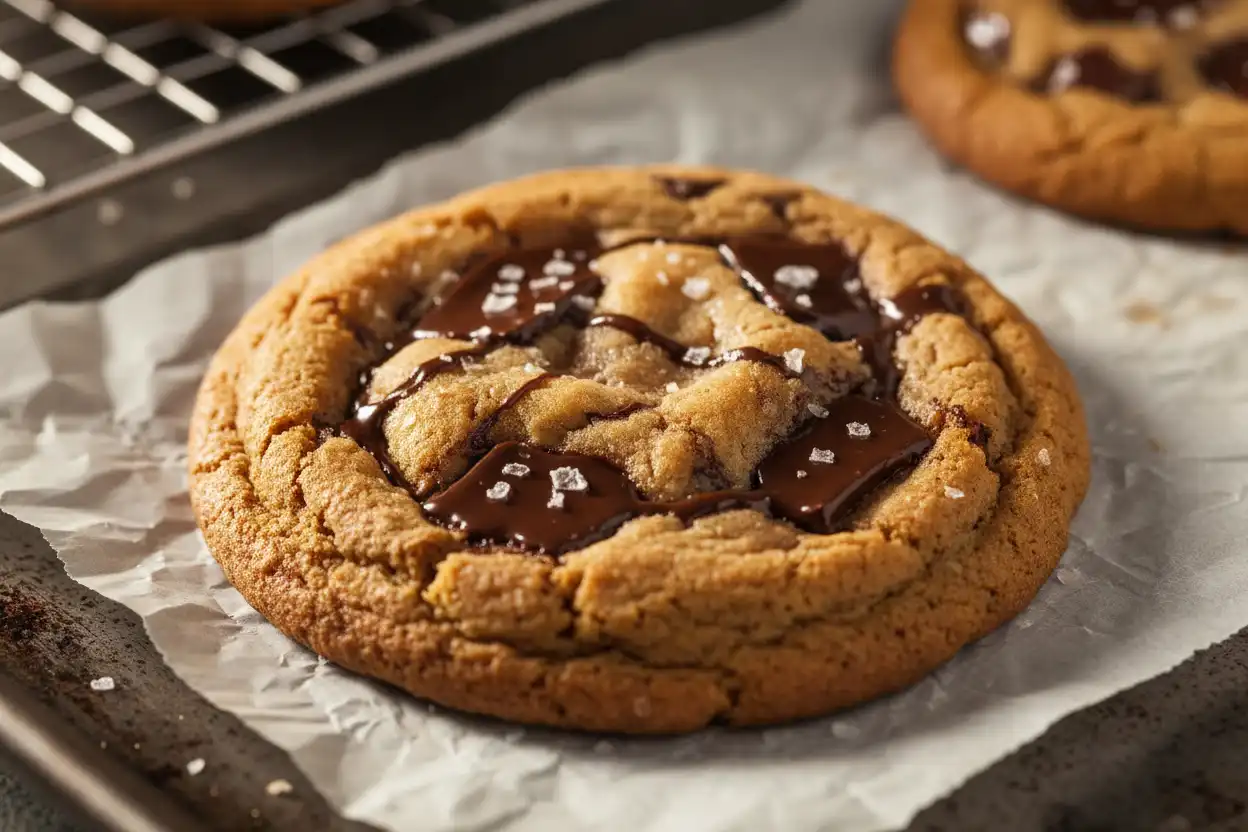
For the best control, use unsalted butter and add salt separately. If using salted butter, reduce the added salt slightly. A light sprinkle of flaky salt on top of chocolate chip cookies can also add a bakery-style finish while keeping the cookie cozy and homemade.
Vanilla Is the Quiet Hero
Vanilla rarely gets attention, but it is one of the ingredients that makes cookies taste complete. It rounds out the flavor of butter, sugar, eggs, peanut butter, and chocolate.
Pure vanilla extract gives a warm, familiar note that fits perfectly with traditional cookie recipes. Imitation vanilla can still work in a pinch, especially in strongly flavored cookies, but pure vanilla often gives a softer and more rounded finish.
For peanut butter cookies, vanilla helps mellow the roasted flavor of the peanuts. For chocolate chip cookies, it makes the brown sugar and butter taste more pronounced. For sugar cookies, it becomes one of the main flavors.
Peanut Butter: Richness, Texture, and Nostalgia
If you are looking for that classic texture, these tips will help you bake Grandma cookies that are rich and soft.
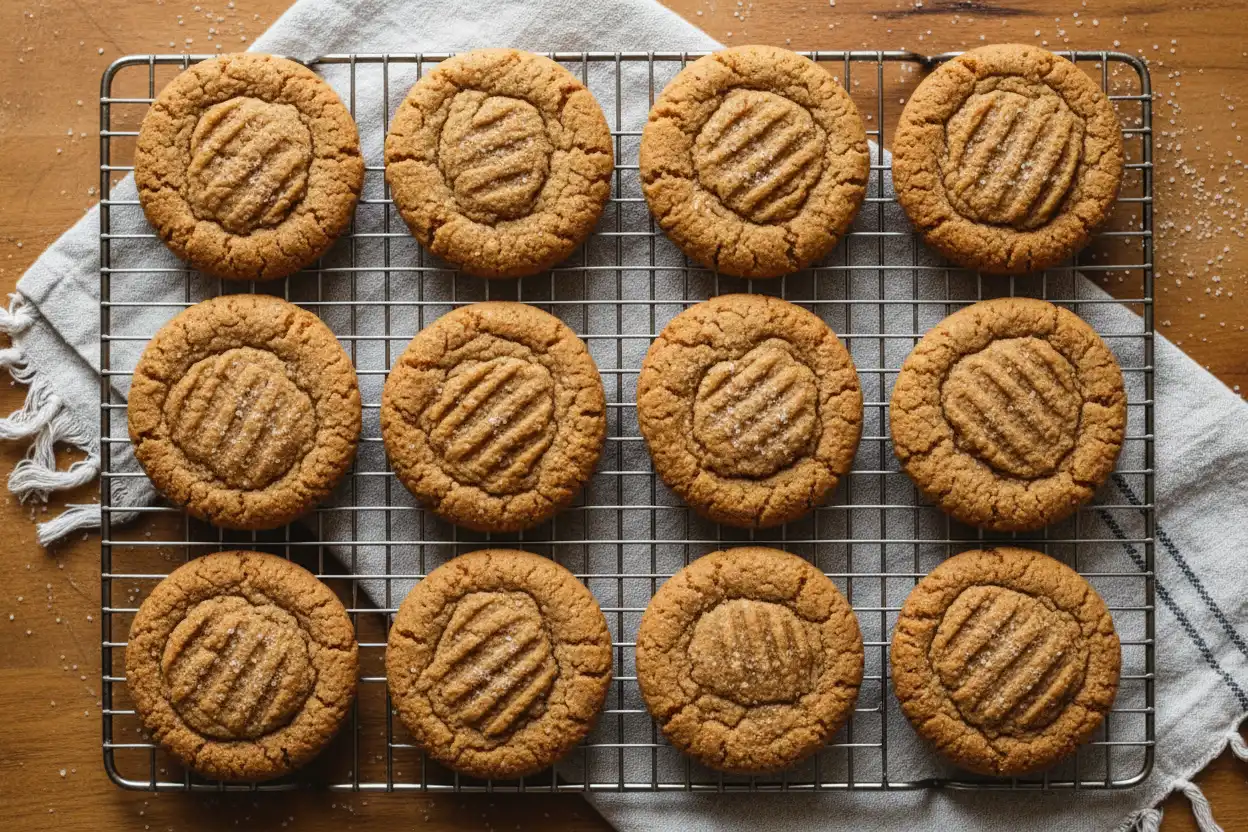
Few cookies feel as old-fashioned and comforting as peanut butter cookies. The best peanut butter grandma cookies usually have a soft center, lightly crisp edges, and that classic crisscross fork pattern on top.
Peanut butter affects both flavor and structure. It adds fat, protein, and density, which means peanut butter cookies can become dry if too much flour is added or if they are baked too long.
For classic grandma peanut butter cookies, use a conventional creamy peanut butter unless the recipe specifically calls for natural peanut butter. Natural peanut butter can separate and may create a more crumbly or oily dough. If you prefer using it, stir it very thoroughly before measuring.
To improve peanut butter cookies:
- Use brown sugar for softness
- Avoid overbaking
- Chill the dough if it spreads too much
- Add a small splash of milk if the dough feels dry
- Press the tops gently with a fork before baking
- Remove them when the edges are set but the centers still look soft
Peanut butter cookies continue to firm as they cool. If they look completely done in the oven, they may become dry once cooled.
Chocolate Chips: More Than a Mix-In
Chocolate chips are not just decoration. They influence sweetness, texture, and the overall eating experience.
For grandma cookies chocolate chip style recipes, semi-sweet chocolate is a classic choice because it balances the sweetness of the dough. Milk chocolate gives a sweeter, creamier cookie. Dark chocolate creates a richer and slightly more grown-up flavor.
You can also combine different chocolate forms:
- Chips for structure and classic appearance
- Chunks for melted pockets
- Chopped chocolate for uneven ribbons throughout the dough
- Mini chips for chocolate in every bite
One simple trick is to reserve a handful of chocolate chips and press them onto the tops of the dough balls before baking. This gives the cookies a fuller, more appealing look without changing the recipe.
The Power of Resting the Dough
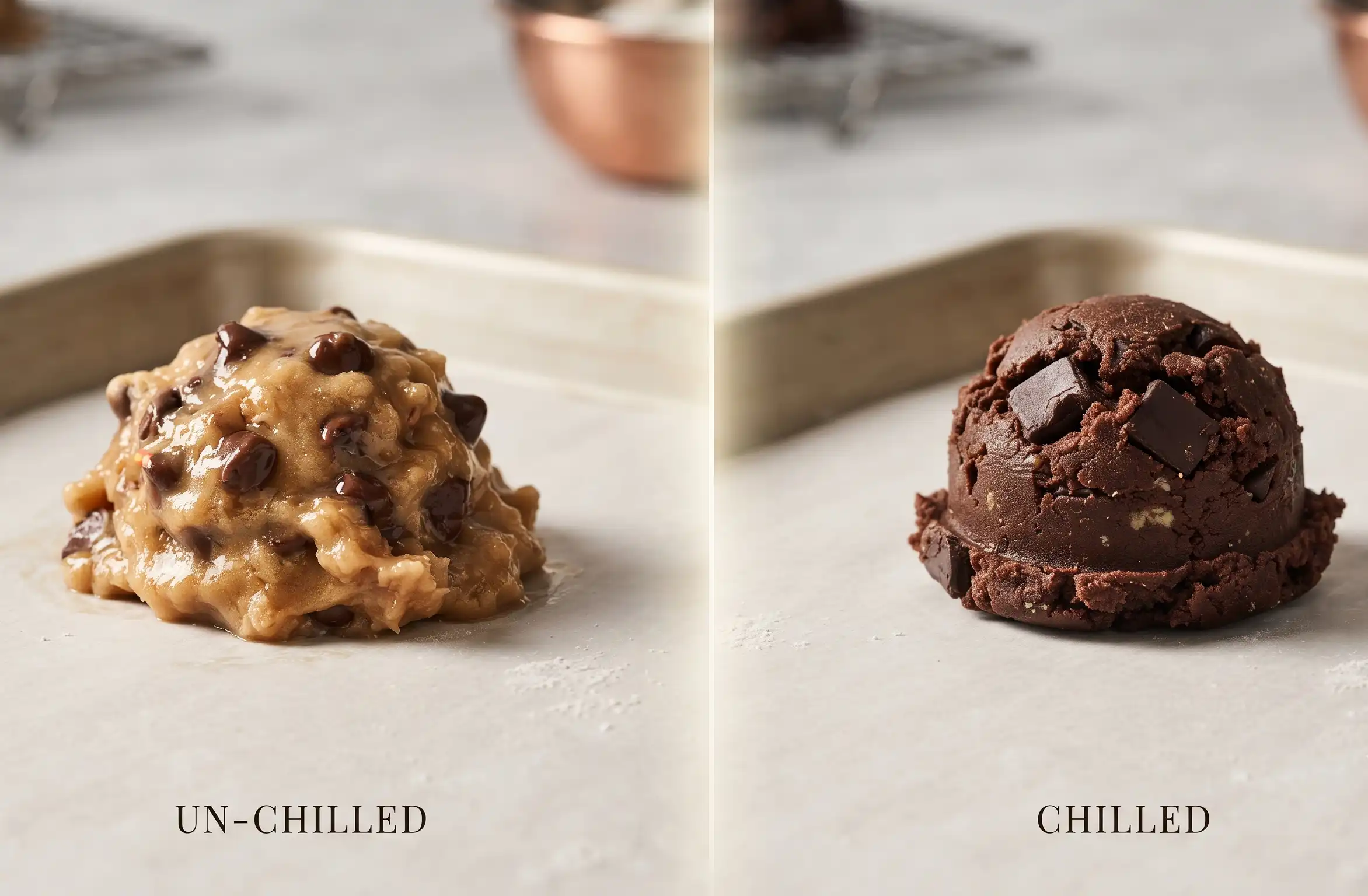
One of the most overlooked cookie secrets is time. Resting cookie dough in the refrigerator gives the flour time to absorb moisture and allows flavors to deepen.
Chilled dough often bakes into thicker cookies with better flavor. The sugar dissolves more fully, the butter firms up, and the dough spreads more slowly in the oven. This is especially helpful for chocolate chip cookies, oatmeal cookies, and peanut butter cookies that feel too soft to handle.
Even a 30-minute rest can improve texture. For deeper flavor, dough can often be chilled longer, depending on the recipe. If the dough becomes very firm, let it sit at room temperature briefly before scooping.
Flour: Measure With Care
Too much flour is one of the most common reasons homemade cookies turn out dry, dense, or cakey. Grandma may have measured by feel, but if you are still learning, careful measuring makes a big difference.
The most accurate method is to weigh flour with a kitchen scale. If you do not have one, spoon flour into the measuring cup and level it off instead of scooping directly from the bag. Scooping can compact the flour and add more than the recipe needs.
Signs you may have used too much flour include:
- Dough that cracks when scooped
- Cookies that do not spread
- A dry or crumbly texture
- A muted flavor
- A cakey result when you expected chewy cookies
If your dough seems too dry, add moisture slowly. A teaspoon or two of milk, an extra egg yolk, or slightly less flour next time can help.
Eggs Add Moisture and Structure
Eggs help bind cookie dough together and contribute moisture. Whole eggs create structure, while egg yolks add richness and tenderness.
For chewier cookies, some bakers add an extra yolk. For lighter cookies, recipes may use an additional whole egg or more leavening. In peanut butter cookies, the egg helps hold the dense dough together so the finished cookie does not crumble.
Room-temperature eggs mix more evenly into dough. If you forgot to take eggs out ahead of time, place them in a bowl of warm water for a few minutes before using.
Baking Soda and Baking Powder Matter
Leavening controls how cookies rise, spread, and brown.
Baking soda helps cookies spread and brown. It works especially well with acidic ingredients such as brown sugar, molasses, or peanut butter. Baking powder creates more lift and can lead to a puffier, softer cookie.
Some recipes use one, and some use both. Avoid guessing or swapping them casually, because even small changes can affect the final texture.
If your cookies are too flat, the dough may be too warm, the butter may have been too soft, or the leavening may be old. If your cookies are too puffy, there may be too much flour or not enough sugar or fat.
Temperature Is a Secret Ingredient
Oven temperature has a major impact on cookie texture. A slightly hotter oven sets the edges quickly while keeping the center soft. A lower temperature gives cookies more time to spread and dry out.
Because ovens can run hot or cool, an inexpensive oven thermometer can be helpful. Cookies are sensitive to small changes, and the temperature displayed on your oven may not always match the actual heat inside.
Also pay attention to the baking sheet. Dark pans absorb more heat and can brown bottoms quickly. Light-colored aluminum pans usually bake more evenly. Lining the pan with parchment paper helps prevent sticking and makes cleanup easier.
The Art of Slight Underbaking
Many of the softest, most memorable cookies are removed from the oven before they look fully done. The edges should be set, but the centers may still look slightly soft. As the cookies rest on the hot baking sheet, they continue to cook from residual heat.
This is especially important for peanut butter grandma cookies, which can become dry if baked until firm. It also works beautifully for chocolate chip cookies if you want a soft center.
Let cookies cool on the baking sheet for a few minutes before moving them to a rack. This short rest helps them set without overbaking.
Old-Fashioned Add-Ins That Make Cookies Special
Grandma-style cookies often include simple pantry ingredients that add texture and personality. These additions are not flashy, but they make cookies feel homemade.
Try adding:
- Toasted oats for chewiness
- Chopped nuts for crunch
- Cinnamon for warmth
- A small spoonful of molasses for depth
- Shredded coconut for texture
- Raisins or dried cranberries for sweetness
- Espresso powder to deepen chocolate flavor
- A tiny pinch of nutmeg in sugar cookies
The key is restraint. A cookie should still taste like itself. Add-ins should support the main flavor, not overwhelm it.
How to Make Cookies Taste More Like Grandma’s
If your cookies are good but missing that nostalgic quality, focus on technique rather than adding more ingredients.
Start with these best practices:
- Use room-temperature ingredients so everything mixes evenly.
- Cream butter and sugar properly for a lighter texture when the recipe calls for it.
- Do not overmix after adding flour, which can make cookies tough.
- Chill the dough when you want thicker cookies or deeper flavor.
- Bake one test cookie first to check spread and timing.
- Pull cookies early for soft centers.
- Cool completely before storing to prevent trapped steam from changing the texture.
These small habits can transform an average batch into cookies that feel lovingly made.
Storage Secrets for Soft, Fresh Cookies
Freshness is part of the grandma-cookie experience. Store cooled cookies in an airtight container at room temperature. To help soft cookies stay tender, add a slice of sandwich bread to the container. The cookies absorb a little moisture from the bread, helping them stay soft longer.
Keep crisp cookies separate from soft cookies. When stored together, crisp cookies can soften and soft cookies can lose their ideal texture.
Most cookie doughs can also be portioned and frozen. Scoop dough balls onto a lined baking sheet, freeze until firm, then transfer to a freezer-safe container. Bake from frozen, adding a little extra time as needed. This gives you warm cookies whenever the craving hits.
The Final Secret: Make Them Personal
The best grandma’s cookies are not perfect because they look identical. They are special because they feel personal. Maybe that means extra vanilla, a heavier hand with chocolate chips, a softer peanut butter center, or a sprinkle of sugar on top before baking.
Recipes become heirlooms when they are repeated, adjusted, shared, and remembered. Whether you love classic chocolate chip, soft peanut butter, oatmeal, sugar cookies, or your own version of Grandma cookies, the real secret is care.
Use good ingredients, pay attention to the dough, trust your senses, and bake with patience. That is how a simple cookie becomes the one everyone asks for again.