Ultimate Guide to Perfect Chocolate Chip Cookies
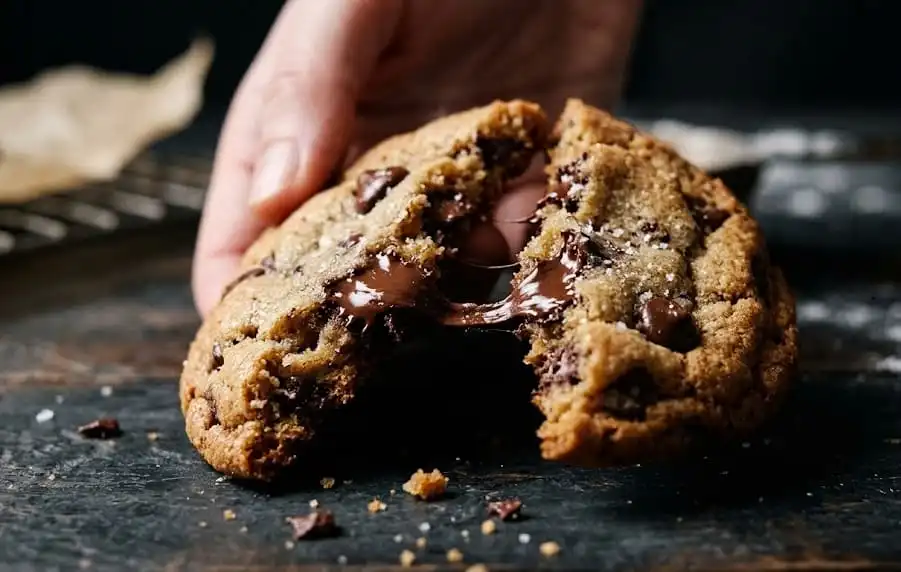
Perfect chocolate chip cookies start with balance: enough butter for richness, enough flour for structure, enough sugar for crisp edges, and enough patience to let the dough hydrate. This guide gives you a reliable cookie recipe, clear baking steps, and practical cookie baking tips you can use whether you love thick, chewy centers or lightly crisp bakery-style edges.
What Makes a Chocolate Chip Cookie Perfect?
A perfect chocolate chip cookie has contrast. The edges should be golden and lightly crisp, while the center stays soft, tender, and full of melted chocolate. The flavor should be buttery, lightly caramelized, and just salty enough to keep every bite from tasting flat.
The biggest difference between an average cookie and a memorable one is control. Ingredient temperature, flour measurement, dough resting time, oven heat, and bake time all change the result. Once you understand those details, you can adapt almost any chocolate chip cookie recipe, including a Hershey chocolate chip cookie recipe, a Nestle chocolate chip cookie recipe, or your own family version.
The Cookie Style This Recipe Creates
This recipe is designed for classic chewy chocolate chip cookies with golden edges, soft centers, and a balanced chocolate-to-dough ratio. It works with standard semisweet chips, chopped chocolate, or mini chocolate chips.
It is also flexible. If you want a chocolate chip cookie recipe with mini chocolate chips, use the same dough and swap the chocolate as directed below. Mini chips spread chocolate more evenly through the cookie, while larger chips or chopped bars create bigger melted pockets.
Expected Texture
These cookies are:
- Soft in the center
- Lightly crisp around the edges
- Buttery without being greasy
- Sweet, but balanced with salt
- Thick enough to hold their shape
- Easy to freeze before or after baking
Why This Formula Works
Melted butter creates a chewy texture and deep flavor. Brown sugar adds moisture and a light caramel note. A small amount of granulated sugar helps the edges crisp. One egg plus one extra yolk gives richness without making the dough cakey.
Ingredients

Use the measurements below for consistent results. For best accuracy, weigh the flour and sugars with a kitchen scale.
Dry Ingredients
- All-purpose flour: 2 1/2 cups / 312 g
- Baking soda: 1 teaspoon / 5 g
- Fine salt: 1 teaspoon / 6 g
- Cornstarch: 2 teaspoons / 6 g
Wet Ingredients
- Unsalted butter, melted and slightly cooled: 3/4 cup / 170 g
- Light brown sugar, packed: 1 cup / 200 g
- Granulated sugar: 1/2 cup / 100 g
- Large egg: 1 egg / about 50 g without shell
- Large egg yolk: 1 yolk / about 18 g
- Vanilla extract: 2 teaspoons / 10 ml
Chocolate
- Semisweet chocolate chips: 1 1/2 cups / 255 g
- Optional extra chips for topping: 1/4 cup / 43 g
- Optional flaky salt for finishing: 1/2 teaspoon / 2 g
Mini Chocolate Chip Variation
For a chocolate chip cookie recipe with mini chocolate chips, use:
- Mini semisweet chocolate chips: 1 1/4 cups / 215 g
- Optional mini chips for topping: 2 tablespoons / 20 g
Mini chips distribute more densely, so you can use slightly less by weight and still get chocolate in every bite.
Equipment You Need
You do not need professional bakery tools, but a few basics help a lot. A scale is especially useful because too much flour is one of the most common reasons cookies turn dry or puffy.
- Large mixing bowl
- Medium mixing bowl
- Whisk
- Flexible spatula
- Measuring cups and spoons
- Kitchen scale, if available
- Baking sheets
- Parchment paper
- Cookie scoop or tablespoon
- Wire cooling rack
Step-by-Step Baking Instructions
Follow these steps from preparation to cooling. The dough is simple, but the resting and baking details matter.
Prepare the baking sheets. Line two baking sheets with parchment paper. This prevents sticking and helps the cookie bottoms bake evenly.
Melt and cool the butter. Melt 3/4 cup / 170 g unsalted butter. Let it cool for 10 to 15 minutes. It should be liquid but not hot. Hot butter can melt the sugars too aggressively and make the dough greasy.
Mix the dry ingredients. In a medium bowl, whisk together 2 1/2 cups / 312 g flour, 1 teaspoon baking soda, 1 teaspoon salt, and 2 teaspoons cornstarch. Set aside.
Combine butter and sugars. In a large bowl, whisk the melted butter, 1 cup / 200 g brown sugar, and 1/2 cup / 100 g granulated sugar for about 1 minute. The mixture should look glossy and smooth.
Add egg, yolk, and vanilla. Whisk in 1 large egg, 1 large egg yolk, and 2 teaspoons vanilla extract. Mix until fully combined. Do not whip in too much air; this is a chewy cookie recipe, not a cake batter.
Add the dry ingredients. Fold the flour mixture into the wet mixture with a spatula. Stop when only a few streaks of flour remain. Overmixing can make cookies tough.

Fold in the chocolate. Add 1 1/2 cups / 255 g semisweet chocolate chips. Fold just until evenly distributed. Save the optional extra chips for topping if you want a bakery-style look.
Rest the dough. Cover the bowl and chill for at least 1 hour. For deeper flavor and thicker cookies, chill for 12 to 24 hours. If the dough becomes very firm, let it sit at room temperature for 10 minutes before scooping.
Preheat the oven. Heat the oven to 350°F / 175°C. Place a rack in the center position. Give the oven enough time to fully preheat before baking.
Scoop the dough. Scoop dough into 2-tablespoon portions, about 40 g each. Place them 2 inches apart on the prepared baking sheets. Press a few extra chocolate chips on top if desired.

Bake the cookies. Bake one sheet at a time for 10 to 12 minutes. The edges should look set and lightly golden. The centers should still look slightly soft.
Shape if needed. For rounder cookies, place a large round cutter or glass over each hot cookie and gently swirl it in a circle. This nudges uneven edges into a neat shape.
Cool properly. Let cookies cool on the baking sheet for 8 to 10 minutes. Then transfer them to a wire rack. The centers finish setting as they cool.
How Do You Adjust the Recipe for Your Favorite Texture?
You can adjust this cookie recipe chocolate chip style without starting over. Small ingredient and timing changes create noticeable texture differences, so change only one or two things at a time.
For Thicker Cookies
- Chill the dough for 24 hours.
- Use dough straight from the refrigerator.
- Make taller dough balls instead of flat scoops.
- Add 1 extra tablespoon / about 8 g flour if your kitchen is warm.
For Thinner, Crispier Cookies
- Bake the dough after only 30 minutes of chilling.
- Press dough balls slightly before baking.
- Use 2 tablespoons less flour.
- Bake 1 to 2 minutes longer, watching the edges closely.
For Softer Cookies
- Do not overbake.
- Remove cookies when centers still look slightly underdone.
- Store with a slice of sandwich bread in the container.
- Use brown sugar as listed, rather than replacing it with white sugar.
For More Chocolate Flavor
If you are baking chocolate cookies for serious chocolate lovers, mix chocolate styles. Use 1 cup semisweet chips plus 1/2 cup chopped dark chocolate. The chips hold their shape, while chopped chocolate melts into ribbons.

Popular Brand-Inspired Variations
Many bakers search for a hershey s chocolate chip cookie recipe, a Hershey chocolate chip cookie recipe, or a Nestle chocolate chip cookie recipe because those brands feel familiar and dependable. You can use this base recipe with either brand of semisweet chips, milk chocolate chips, dark chocolate chips, or mini chips.
The important point is not the logo on the bag. It is how the chocolate behaves in the dough. Semisweet chips give a balanced flavor. Milk chocolate makes a sweeter cookie. Dark chocolate gives a more intense finish. Mini chips create even distribution, which is great for lunchbox cookies and smaller portions.
Common Cookie Problems and Fixes
Even a strong chocolate chip cookie recipe can go wrong if one detail shifts. Use this guide to diagnose the most common issues.
Cookies Spread Too Much
This usually happens when the butter is too hot, the dough is too warm, or the flour is under-measured. Chill the dough longer and measure flour by weight if possible. Also check that your baking sheet is cool before adding the next batch.
Cookies Are Too Dry
Dry cookies often come from too much flour or too much baking time. Spoon-and-level measuring can help if you do not have a scale. Pull cookies from the oven while the centers still look soft.
Cookies Are Puffy and Cakey
Too much flour, too much egg, or overmixing can create a cakier texture. This recipe uses one egg plus one yolk for chew, but mixing too long after adding flour can still build excess structure. Fold gently and stop as soon as the dough comes together.
Cookies Taste Flat
Salt and vanilla matter. If the cookies taste sweet but dull, make sure you used the full teaspoon of salt. A tiny sprinkle of flaky salt after baking can also make the chocolate flavor stand out.
Make-Ahead, Freezing, and Storage
Chocolate chip cookie dough is ideal for making ahead. In fact, rested dough often tastes better because the flour hydrates and the sugar begins to dissolve into the butter.
To Refrigerate Dough
Cover the dough tightly and refrigerate for up to 3 days. Scoop before chilling if you want faster baking later. If the dough is firm, let it soften slightly before placing it in the oven.
To Freeze Dough
- Scoop dough into 40 g portions.
- Place scoops on a parchment-lined tray.
- Freeze until solid.
- Transfer to a freezer bag or airtight container.
- Label with the date and baking temperature.
Bake frozen dough at 350°F / 175°C. Add 1 to 3 minutes to the baking time.
To Store Baked Cookies
Store cooled cookies in an airtight container at room temperature for 3 to 4 days. For longer storage, freeze baked cookies in a sealed container. Thaw at room temperature, or warm briefly in a low oven for a fresh-baked texture.

Baking Tips & Tricks
These cookie baking tips help you get consistent results every time, especially if your oven runs hot or your kitchen changes with the seasons.
Oven Temperature Settings
- Bake at 350°F / 175°C for the best balance of spread, browning, and chew.
- Use an oven thermometer if your cookies often overbake or underbake.
- Bake one sheet at a time on the center rack for even heat.
- Let baking sheets cool between batches. Warm pans cause early spreading.
How to Check for Doneness
Cookies are done when the edges are set and lightly golden, but the centers still look soft. They should not look wet, but they should not look fully firm either. The heat from the pan finishes the centers during cooling.
For checking cake doneness, the usual toothpick test works well because cakes need a fully set crumb. Cookies are different. A toothpick may hit melted chocolate and look misleading, so judge cookies by edge color, surface texture, and cooling time instead.
Better Flavor Tips
- Chill the dough at least 1 hour.
- Use real vanilla extract when possible.
- Do not skip the salt.
- Try a mix of chips and chopped chocolate.
- Sprinkle flaky salt on warm cookies for a bakery-style finish.
Storage Advice
- Cool cookies completely before storing.
- Use an airtight container to keep texture fresh.
- Add a small piece of bread to soften cookies that feel dry.
- Freeze extra dough balls for fast future baking.
- Rewarm cookies for a few minutes before serving if you want melted chocolate again.
Final Takeaways
A great chocolate chip cookie is not about a complicated method. It is about measuring carefully, using the right butter temperature, chilling the dough, and pulling the cookies from the oven before the centers overbake.
Use this recipe as your dependable base. Then adjust the chocolate, chill time, and bake time to make it your own. Whether you prefer a classic cookie recipe, a branded chip variation, or a mini chocolate chip version, the same core principles will help every batch taste better.