A great cookie starts with a simple promise: buttery flavor, crisp edges, and a tender bite that makes you reach for another. These homemade chessman cookies are designed to deliver that classic bakery-style look and delicate shortbread texture without making the process feel complicated.
Whether you want elegant cookies for a dessert tray, a fun weekend baking project, or a batch to layer into banana pudding with chessman cookies, this guide walks you through every step from mixing the dough to storing the finished cookies.
What Are Chessman Cookies?
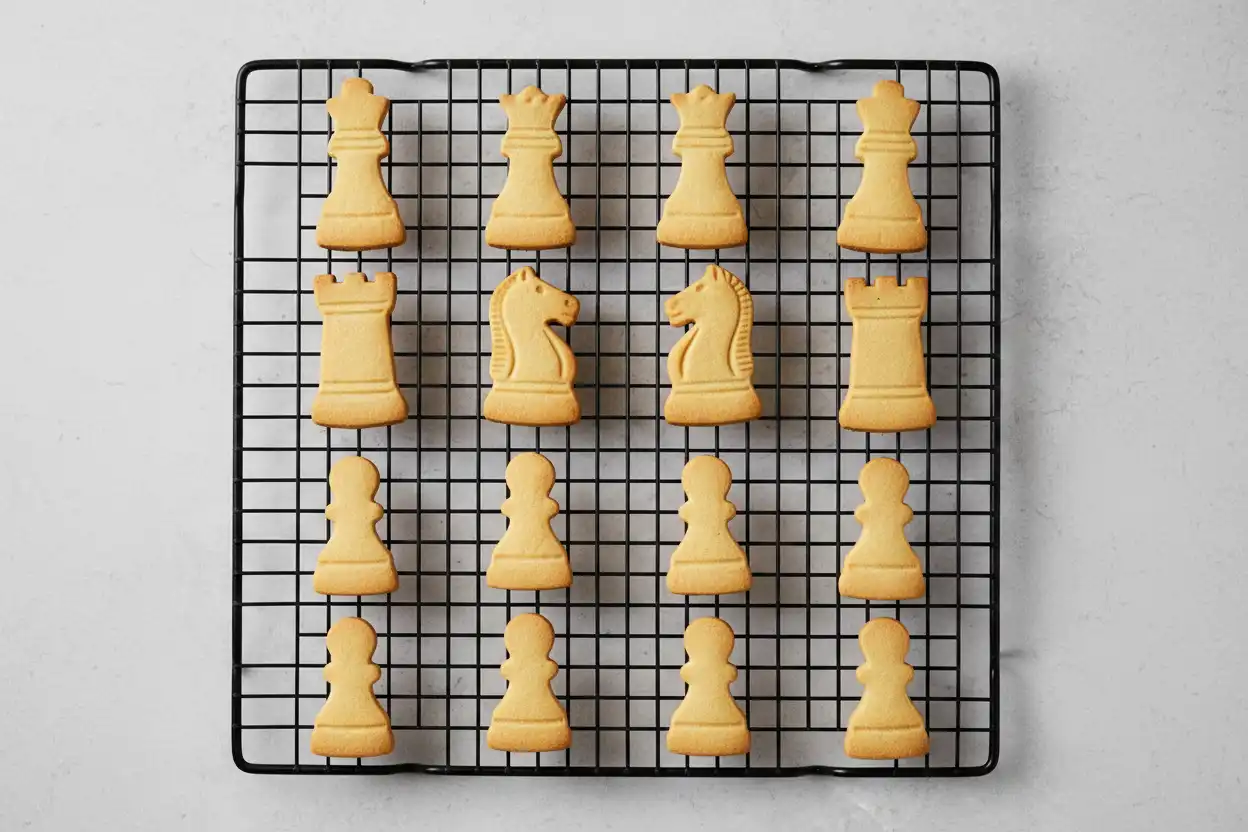
Chessman cookies are crisp, buttery, shortbread-style cookies often recognized by their rectangular shape and stamped designs. The name is commonly associated with cookies that feature chess-piece patterns, but you can create a similar homemade version with a cookie stamp, embossed rolling pin, or simple decorative scoring.
The beauty of these chess cookies is their simplicity. They do not rely on heavy frosting or complicated fillings. Instead, they get their charm from:
- Rich butter flavor
- Light vanilla notes
- A crisp, delicate texture
- Clean edges that hold their shape
- Decorative tops that make them look polished
If you have ever wanted to bake cookies that look special but use everyday ingredients, this is a perfect recipe to try.
Ingredients You’ll Need
This recipe uses basic baking staples. For the best flavor and texture, choose good-quality butter and measure the flour carefully.
For the cookies
- 1 cup unsalted butter, softened
- 3/4 cup powdered sugar
- 1 large egg yolk
- 2 teaspoons vanilla extract
- 1/2 teaspoon almond extract, optional
- 2 1/4 cups all-purpose flour
- 1/4 teaspoon fine salt
- 1 tablespoon cornstarch
Optional finishing touches
- Granulated sugar for a light sprinkle
- Melted chocolate for dipping
- Powdered sugar for dusting
- Cinnamon sugar for a warm variation
Equipment That Makes Baking Easier
You do not need professional tools, but a few items help create neat, consistent cookies.
- Mixing bowl
- Hand mixer or stand mixer
- Rubber spatula
- Measuring cups and spoons
- Rolling pin
- Baking sheets
- Parchment paper
- Cookie stamp, embossed rolling pin, or sharp knife
- Cooling rack
If you do not have a cookie stamp, simply cut the dough into rectangles and lightly score lines or simple designs on top with the back of a knife.
Step 1: Soften the Butter Correctly
Start with softened butter, not melted butter. This is one of the most important steps for successful chessman cookies.
Butter that is too cold will not cream smoothly with the sugar. Butter that is too warm can make the dough greasy and cause the cookies to spread. The butter should be soft enough to press with your finger but still hold its shape.
If you forgot to take it out of the refrigerator, cut the butter into small cubes and let it sit at room temperature for a short time. Avoid microwaving it until it melts.
Step 2: Cream the Butter and Powdered Sugar
Place the softened butter and powdered sugar in a mixing bowl. Beat on medium speed until the mixture looks smooth, pale, and creamy. This usually takes a few minutes.
Powdered sugar gives these chess cookies a more delicate texture than granulated sugar. It also helps create that melt-in-your-mouth shortbread feel.
Scrape down the sides of the bowl with a spatula so everything mixes evenly.
Step 3: Add the Egg Yolk and Flavoring
Mix in the egg yolk, vanilla extract, and almond extract if using. The egg yolk adds richness and helps bind the dough without making the cookies cakey.
Vanilla is the classic choice, but a small amount of almond extract adds a bakery-style aroma. If you prefer a very traditional butter cookie flavor, you can skip the almond extract.
Beat just until the ingredients are combined. Overmixing after this point can make the cookies less tender.
Step 4: Combine the Dry Ingredients
In a separate bowl, whisk together the flour, salt, and cornstarch.
The cornstarch is a small but helpful ingredient. It softens the texture and helps the cookies bake up tender while still staying crisp. Salt balances the sweetness and brings out the buttery flavor.
When measuring flour, spoon it into the measuring cup and level it off rather than scooping directly from the bag. Too much flour can make the dough dry and crumbly.
Step 5: Mix the Dough Gently
Add the dry ingredients to the butter mixture in two or three additions. Mix on low speed until the dough begins to come together.
At first, it may look crumbly. Keep mixing gently and scrape the bowl as needed. The dough should eventually form soft clumps that hold together when pressed.
If the dough feels extremely dry, add a teaspoon of milk or cream at a time until it comes together. If it feels sticky, add a small spoonful of flour. Make adjustments slowly so the texture stays balanced.
Step 6: Chill the Dough
Form the dough into a flat rectangle or disk, wrap it tightly, and chill it for at least 30 minutes.
Chilling helps the butter firm up, which makes the dough easier to roll and cut. It also helps the cookies hold their shape in the oven. This step is especially important if you plan to use stamps or decorative patterns.
Do not skip chilling if your kitchen is warm or your dough feels soft.
Step 7: Roll and Shape the Cookies
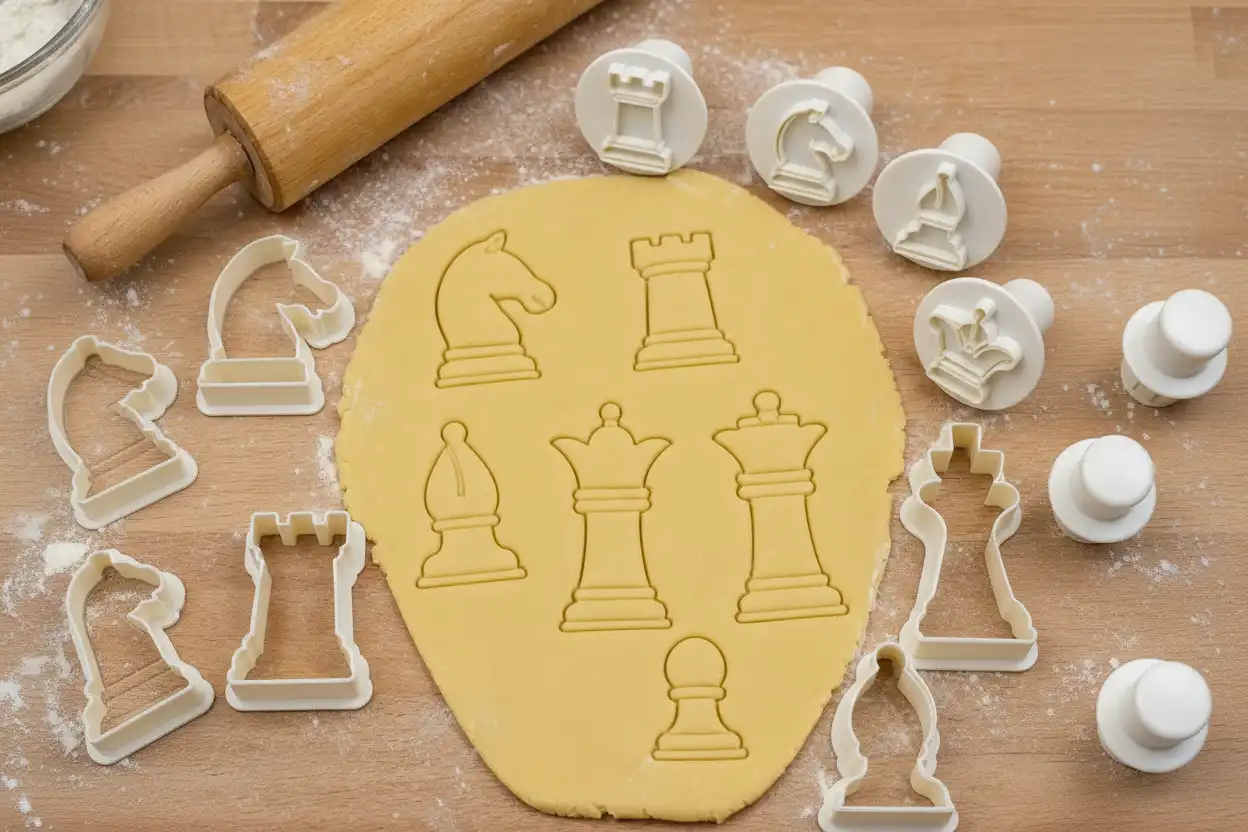
Place the chilled dough on a lightly floured surface. Roll it to about 1/4 inch thick. Try to keep the thickness even so the cookies bake at the same rate.
For a classic look, cut the dough into small rectangles. Then decorate the tops in one of these ways:
- Press gently with a cookie stamp.
- Use an embossed rolling pin before cutting.
- Score a border with a knife.
- Add simple lines, dots, or chess-piece-inspired shapes.
- Leave them plain for a clean shortbread look.
If the dough softens while you work, transfer the cut cookies to a baking sheet and chill them again for 10 to 15 minutes before baking.
Step 8: Bake Until Lightly Golden
Preheat the oven to 350°F. Line baking sheets with parchment paper and arrange the cookies about 1 inch apart.
Bake for 10 to 13 minutes, depending on the size and thickness of your cookies. Look for lightly golden edges and set centers. The tops should remain fairly pale.
Avoid overbaking. Chessman cookies should be crisp and buttery, not hard. They will continue to firm up as they cool.
Step 9: Cool Completely
Let the cookies rest on the baking sheet for a few minutes after they come out of the oven. Then transfer them to a cooling rack.
Cooling is part of the baking process. The cookies become more stable and develop their final texture as they cool. If you plan to dip them in chocolate or use them in banana pudding with chessman cookies, wait until they are fully cool first.
Step 10: Add Optional Finishes
These cookies are delicious plain, but you can dress them up for holidays, parties, or gifting.
Try one of these easy finishes:
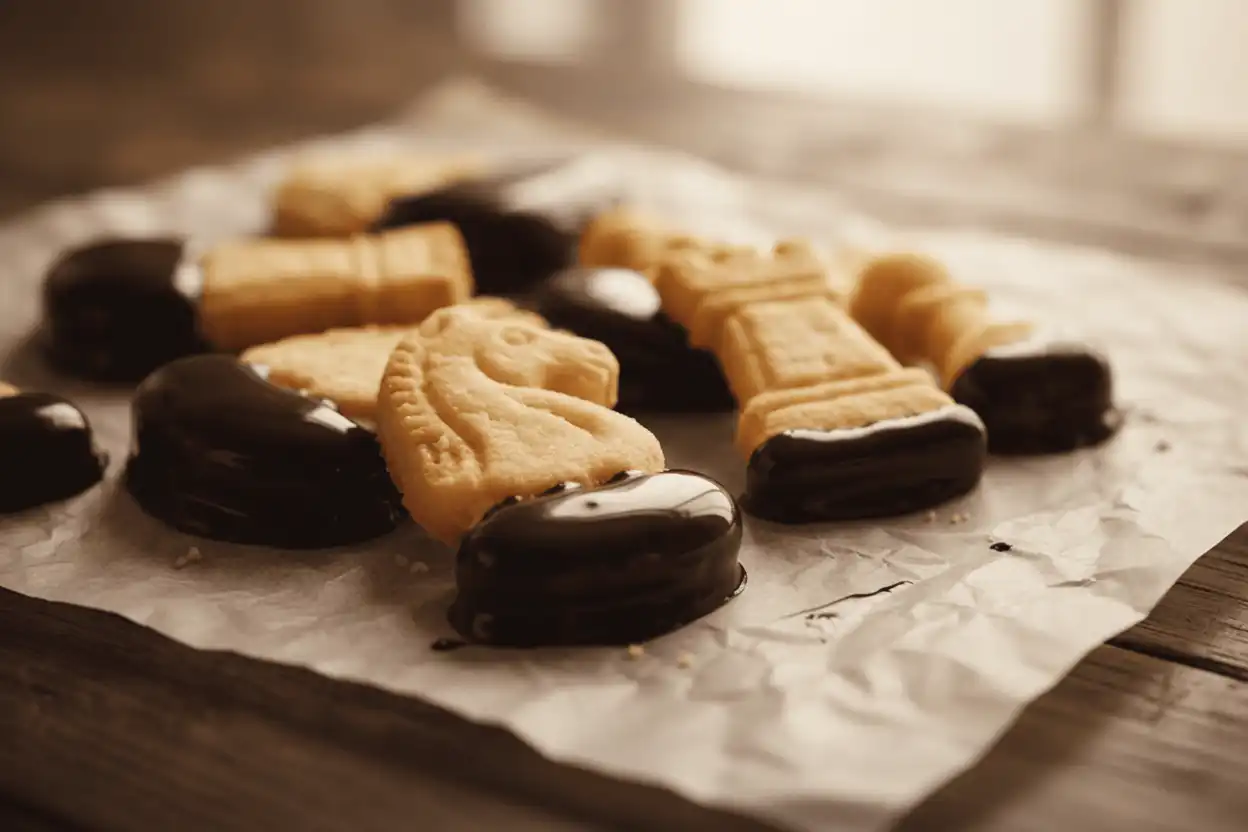
- Dip half of each cookie in melted chocolate.
- Sprinkle lightly with powdered sugar.
- Brush with a thin vanilla glaze.
- Add a pinch of cinnamon sugar before baking.
- Sandwich two cookies with a thin layer of buttercream or jam.
For the cleanest look, keep decorations simple. The charm of chess cookies is their elegant, understated appearance.
How to Use Them in Banana Pudding
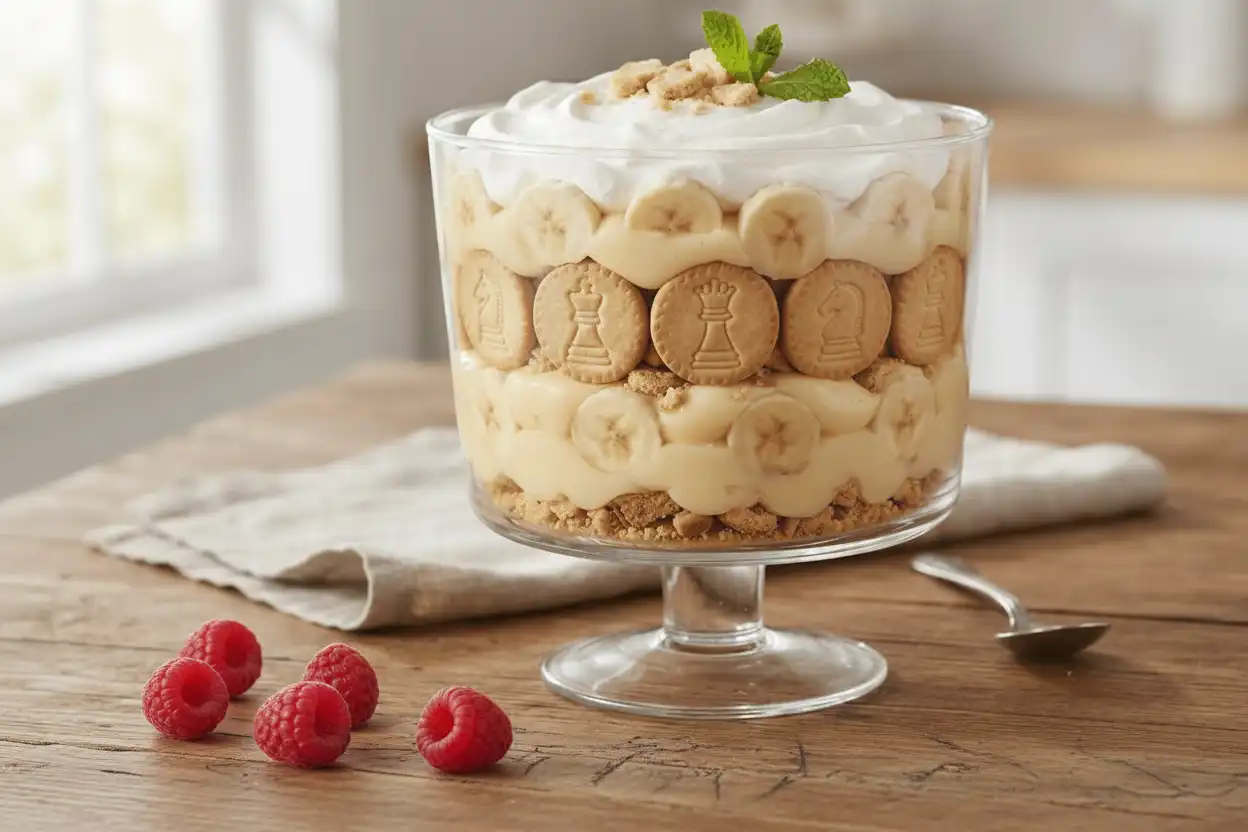
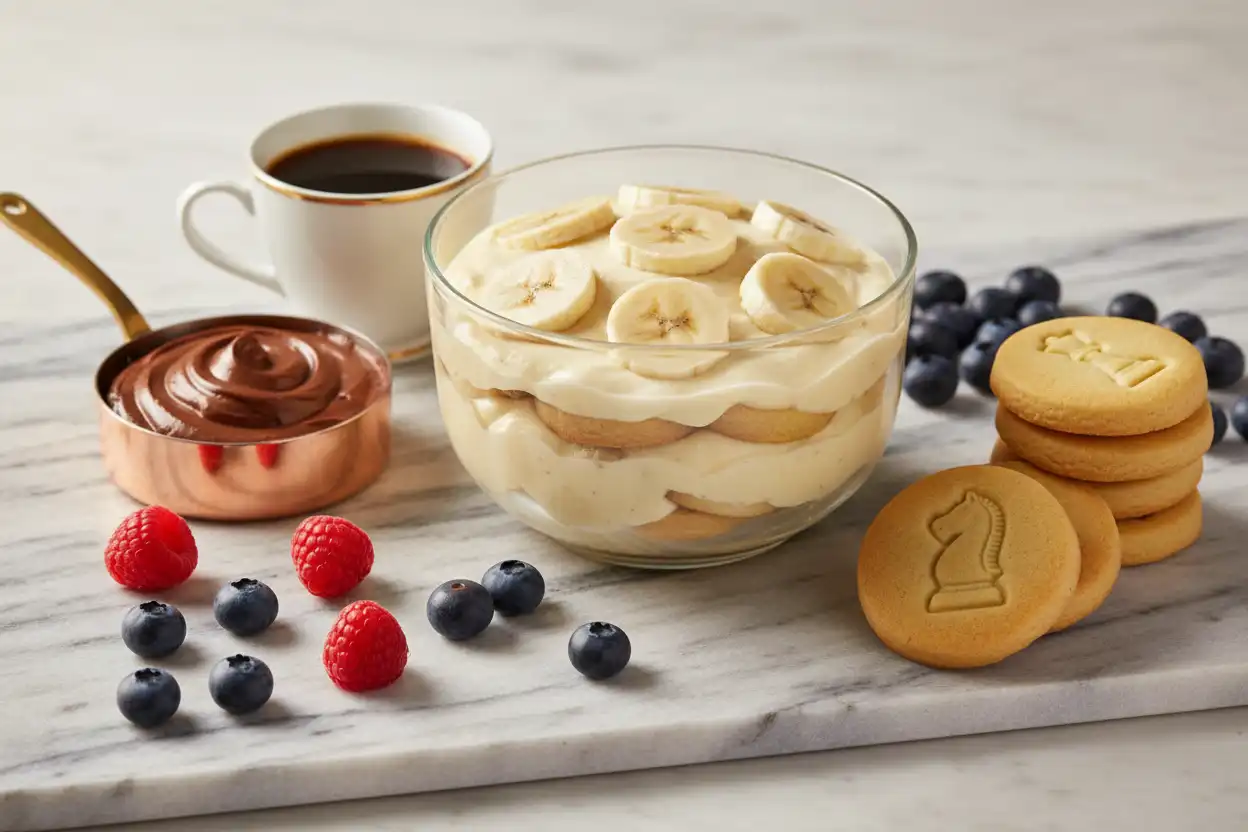
One of the most popular ways to enjoy these cookies is in banana pudding with chessman cookies. Their buttery texture works beautifully with creamy pudding and fresh banana slices.
Here is a simple way to assemble it:
- Prepare your favorite vanilla pudding or custard and let it cool if needed.
- Place a layer of chessman cookies in the bottom of a serving dish.
- Add a layer of sliced bananas.
- Spread pudding over the bananas.
- Repeat the layers until the dish is filled.
- Finish with a decorative layer of cookies on top.
- Chill until the cookies soften slightly and the flavors blend.
For the best texture, assemble the pudding far enough ahead for the cookies to absorb some moisture, but not so far in advance that the bananas darken too much.
Tips for Perfect Chessman Cookies
Small details can make a big difference with simple cookies. Use these tips to get the best results.
Keep the dough cool
Warm dough spreads more easily and may lose its stamped design. If the cookies start to look soft before baking, chill them on the baking sheet.
Do not overwork the dough
Mix and roll only as much as needed. Overworked dough can become tough instead of tender.
Use parchment paper
Parchment helps prevent sticking and encourages even browning on the bottom.
Watch the edges
The cookies are done when the edges turn lightly golden. If the whole cookie turns dark, it may taste overbaked.
Let the flavor develop
Like many butter cookies, these often taste even better after resting for several hours. The vanilla and butter notes become more rounded.
Common Mistakes to Avoid
Even an easy cookie recipe can go wrong if the dough is handled poorly. Here are the most common issues and how to prevent them.
The cookies spread too much
The butter may have been too warm, the dough may not have chilled long enough, or the baking sheet may have been hot. Chill the dough and always place cookies on a cool baking sheet.
The dough is too crumbly
This can happen if too much flour is added. Measure carefully and add a tiny splash of milk or cream if needed.
The stamped design disappears
The dough was likely too soft, or the stamp was pressed too lightly. Chill the shaped cookies before baking and press the design firmly without flattening the cookie too much.
The cookies taste bland
Butter cookies need enough salt and flavoring. Use fresh vanilla extract, do not skip the salt, and consider adding the optional almond extract.
Flavor Variations to Try
Once you master the basic dough, you can create new versions for different occasions.
Lemon chess cookies
Add lemon zest to the dough and replace the almond extract with a little lemon extract. These are bright, fresh, and lovely with tea.
Chocolate-dipped cookies
After cooling, dip one end of each cookie in melted chocolate. Let them set on parchment paper.
Cinnamon vanilla cookies
Add a small amount of cinnamon to the dry ingredients for a warm, cozy flavor.
Brown sugar butter cookies
Replace a portion of the powdered sugar with light brown sugar for a deeper caramel note. The texture may be slightly less delicate, but the flavor is rich and comforting.
Holiday spice cookies
Add a pinch of nutmeg, cinnamon, or cardamom. These pair well with coffee, cocoa, or festive dessert boards.
How to Store Chessman Cookies
Store cooled cookies in an airtight container at room temperature. Keep them in a cool, dry place and separate layers with parchment if they are decorated or delicate.
For longer storage, freeze the baked cookies in a freezer-safe container. You can also freeze the unbaked dough. Wrap it tightly, then thaw it in the refrigerator before rolling and baking.
If using the cookies for banana pudding, bake them a day ahead if you want to save time. Just make sure they are completely cool before storing.
Serving Ideas
These cookies are versatile enough for casual snacking or special occasions. Serve them with:
- Hot coffee or espresso
- Black tea or chai
- Vanilla ice cream
- Fresh berries
- Chocolate mousse
- Banana pudding
- Dessert boards
- Holiday cookie trays
Their simple flavor also makes them a good companion for richer desserts. When layered into banana pudding with chessman cookies, they add structure, sweetness, and buttery depth without overpowering the creamy filling.
Make-Ahead Baking Plan
If you are baking for a party or holiday, break the work into stages.
- Make the dough one day ahead and refrigerate it.
- Roll, cut, and bake the cookies the next day.
- Store plain cookies in an airtight container.
- Decorate or assemble desserts after the cookies cool.
- For pudding, layer the dessert after the cookies are fully baked and cooled.
This approach keeps the process relaxed and helps you avoid last-minute rushing.
Final Baking Notes
Homemade chessman cookies are all about balance: enough butter for richness, enough flour for structure, and enough chilling time for clean shapes. Once you learn the basic method, you can keep them simple, decorate them beautifully, or turn them into the star layer of banana pudding.
The next time you want a cookie that feels classic, elegant, and easy to share, bake a batch of these chess cookies and enjoy them plain, dipped, or tucked into a creamy dessert.