Rich, cocoa-forward cookie dough is one of those simple pleasures that can become anything from chewy bakery-style cookies to edible spoonfuls, skillet desserts, ice cream mix-ins, and freezer-ready treats. The key is balance: enough cocoa to taste deeply chocolatey, enough brown sugar to stay tender, enough salt to keep the sweetness in check, and enough chocolate chips to create that classic bite people expect from chocolate chip cookies.
This guide walks through how to make a reliable chocolate chocolate chip cookie dough, how to adapt it for baking or eating safely as edible dough, and how to customize the flavor without losing the soft, decadent texture that makes a great cookie dough recipe worth saving.
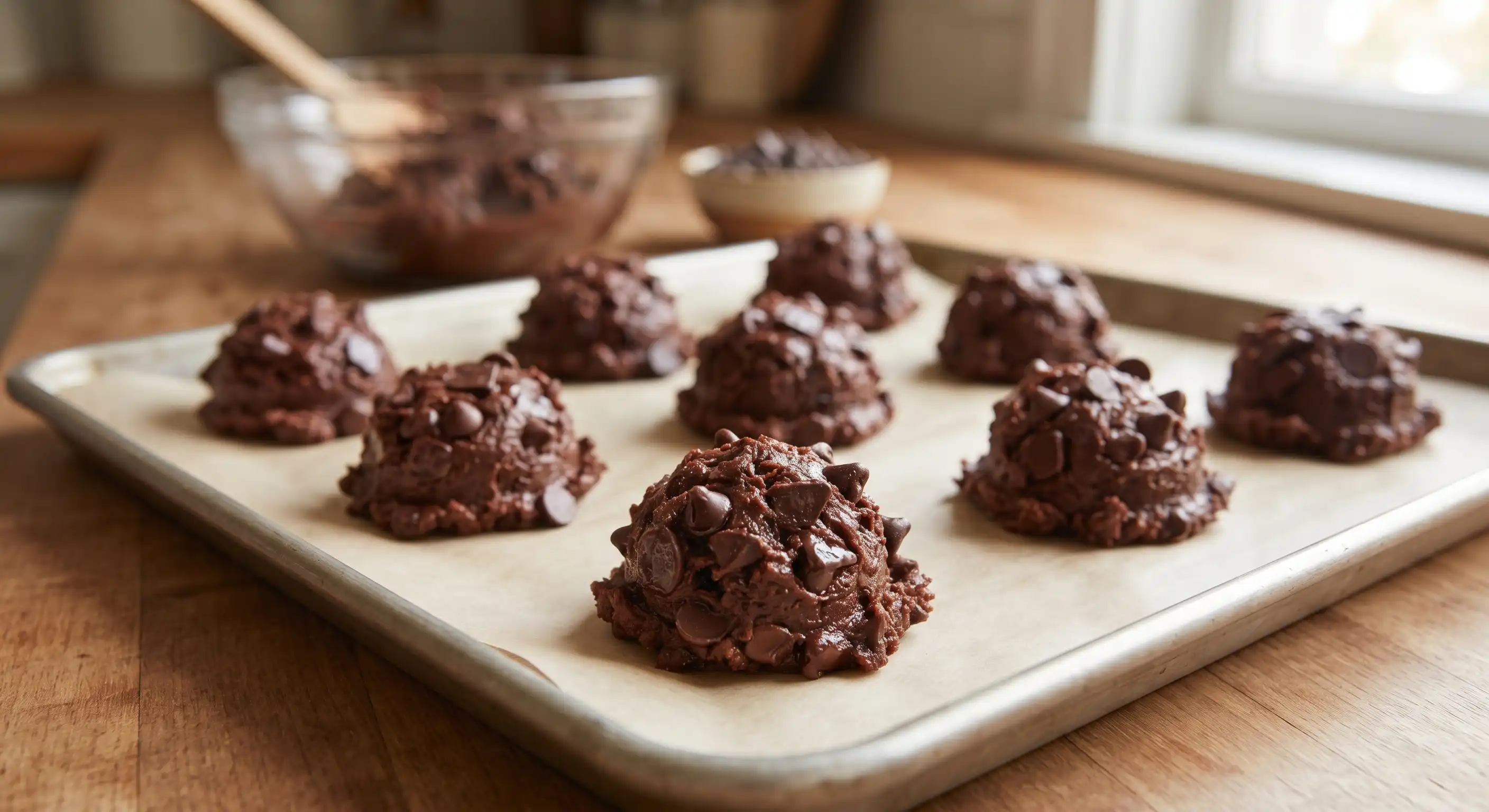
What Makes Chocolate Cookie Dough Different?
Traditional chocolate chip cookie dough usually depends on vanilla, butter, brown sugar, and chocolate chips for flavor. A double-chocolate version adds cocoa powder directly into the dough, which changes more than the color.
Cocoa powder absorbs moisture, deepens flavor, and slightly tightens the dough structure. If you simply add cocoa to a classic dough without adjusting the other ingredients, the result can become dry, crumbly, or overly bitter. A good chocolate cookie dough needs extra attention to moisture, fat, and sweetness.
The best version should be:
- Soft but scoopable, not sticky or dry
- Deeply chocolatey, not flat or dusty
- Sweet enough, but not overwhelmingly sugary
- Full of chocolate chips, with a mix of sizes if possible
- Flexible, so it can be baked, chilled, frozen, or adapted
That balance is what turns basic dough into something that feels rich, polished, and bakery-worthy.
The Core Ingredients and Why They Matter
A dependable chocolate chocolate chip cookie dough starts with familiar ingredients, but each one has a job to do.
Butter
Butter gives the dough richness, flavor, and tenderness. Softened butter creates a classic creamy texture when beaten with sugar, while melted butter makes the dough denser and chewier. For most cookie dough recipes, softened butter is easiest to control.
If you want a deeper, slightly nutty flavor, brown the butter first, then cool it until it is soft but not hot. Hot butter can melt the sugar too quickly and make the dough greasy.
Brown Sugar and Granulated Sugar
Brown sugar adds moisture and chew because it contains molasses. Granulated sugar helps with structure and a slightly crisp edge when the dough is baked.
For a softer dough, use more brown sugar than white sugar. For a cookie with more spread and a firmer edge, increase the granulated sugar slightly.
Cocoa Powder
Cocoa powder is the ingredient that transforms the dough. Natural cocoa gives a sharper, more classic chocolate flavor. Dutch-process cocoa has a smoother, darker, more intense taste.
Either can work, but Dutch-process cocoa often gives the most decadent result. If you use a very dark cocoa, taste the dough and consider adding a little extra vanilla or a pinch more salt to round out the bitterness.
Flour
All-purpose flour provides structure. Too much flour makes cookie dough cakey or dry, especially when cocoa is also present. Measure carefully, ideally by spooning flour into the measuring cup and leveling it off rather than scooping directly from the bag.
For edible cookie dough, flour should be heat-treated before use. More on that below.
Eggs or Egg-Free Alternatives
If you plan to bake the dough into chocolate chip cookies, eggs help bind the dough and create the right texture. If you plan to eat the dough raw, skip the eggs and use milk, cream, or a dairy-free alternative to bring the dough together.
Chocolate Chips
Chocolate chips create the classic texture. Semi-sweet chips are the most versatile, but mixing chips and chopped chocolate gives the dough a more luxurious feel.
Try using:
- Mini chips for even chocolate throughout
- Standard chips for familiar cookie texture
- Chopped dark chocolate for melty pockets
- Milk chocolate for a sweeter dessert-style dough
- White chocolate for contrast
Salt and Vanilla
Salt is essential in chocolate desserts. It sharpens the cocoa and keeps the dough from tasting one-dimensional. Vanilla adds warmth and makes the chocolate flavor feel fuller.
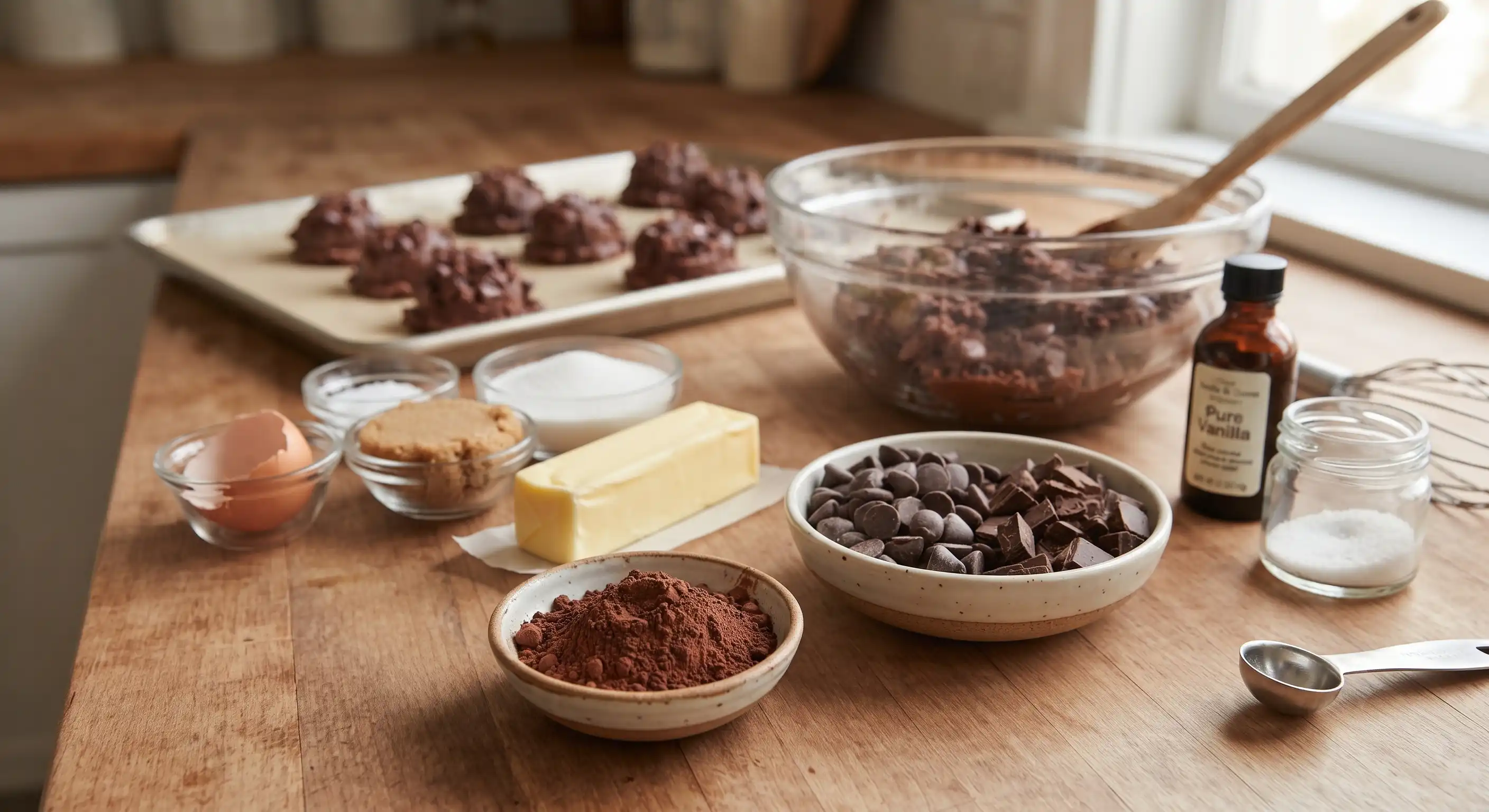
A Classic Bakeable Chocolate Chocolate Chip Cookie Dough
This version is designed for baking into soft, chewy cookies with rich chocolate flavor and plenty of chips.
Ingredients
- 1 cup unsalted butter, softened
- 1 cup packed brown sugar
- 1/2 cup granulated sugar
- 2 large eggs
- 2 teaspoons vanilla extract
- 2 cups all-purpose flour
- 2/3 cup unsweetened cocoa powder
- 1 teaspoon baking soda
- 1/2 teaspoon baking powder
- 1 teaspoon fine salt
- 2 cups chocolate chips or a mix of chips and chopped chocolate
Method
- Cream the butter and sugars. In a large bowl, beat the softened butter, brown sugar, and granulated sugar until creamy and slightly fluffy. This helps dissolve some of the sugar and creates a smoother dough.
- Add eggs and vanilla. Beat in the eggs one at a time, then mix in the vanilla. Scrape down the sides of the bowl so everything blends evenly.
- Combine the dry ingredients. In a separate bowl, whisk together the flour, cocoa powder, baking soda, baking powder, and salt. Whisking helps distribute the cocoa and leavening evenly.
- Mix gently. Add the dry ingredients to the wet ingredients in two additions. Mix just until no dry streaks remain. Overmixing can make the cookies tough.
- Fold in the chocolate chips. Stir in the chocolate chips or chopped chocolate. The dough should look thick, dark, and generously studded with chocolate.
- Chill the dough. Cover and chill for at least 30 minutes. Chilling helps the dough hydrate, improves flavor, and reduces spreading.
- Bake. Scoop dough onto a lined baking sheet and bake at 350°F until the edges are set and the centers still look slightly soft. Let the cookies cool on the baking sheet for a few minutes before moving them.
The cookies will continue setting as they cool, so avoid overbaking. A slightly underbaked center is what gives double-chocolate cookies their fudgy texture.
Safe Edible Chocolate Chip Cookie Dough Version
If your goal is spoonable cookie dough rather than baked cookies, use an egg-free version and heat-treat the flour. Raw flour can carry bacteria, so it should not be eaten straight from the bag.
To heat-treat flour, spread it on a baking sheet and bake at 350°F for about 5 minutes, then let it cool completely before mixing. You can also microwave flour in short bursts, stirring between each, until it reaches a safe temperature throughout.
Ingredients
- 1 cup heat-treated all-purpose flour, cooled
- 1/3 cup unsweetened cocoa powder
- 1/2 cup unsalted butter, softened
- 1/2 cup packed brown sugar
- 1/4 cup granulated sugar
- 2 tablespoons milk or cream, plus more as needed
- 1 teaspoon vanilla extract
- 1/2 teaspoon fine salt
- 1 cup mini chocolate chips or regular chocolate chips
Method
- Beat the butter, brown sugar, and granulated sugar until creamy.
- Add vanilla, salt, and milk.
- Mix in the heat-treated flour and cocoa powder.
- Add more milk, one teaspoon at a time, until the dough reaches your preferred texture.
- Fold in the chocolate chips.
- Chill for a firmer scoopable dough, or enjoy right away for a softer texture.
This edible cookie dough recipe is especially good for parfaits, ice cream toppings, dessert boards, or rolling into bite-sized truffles.
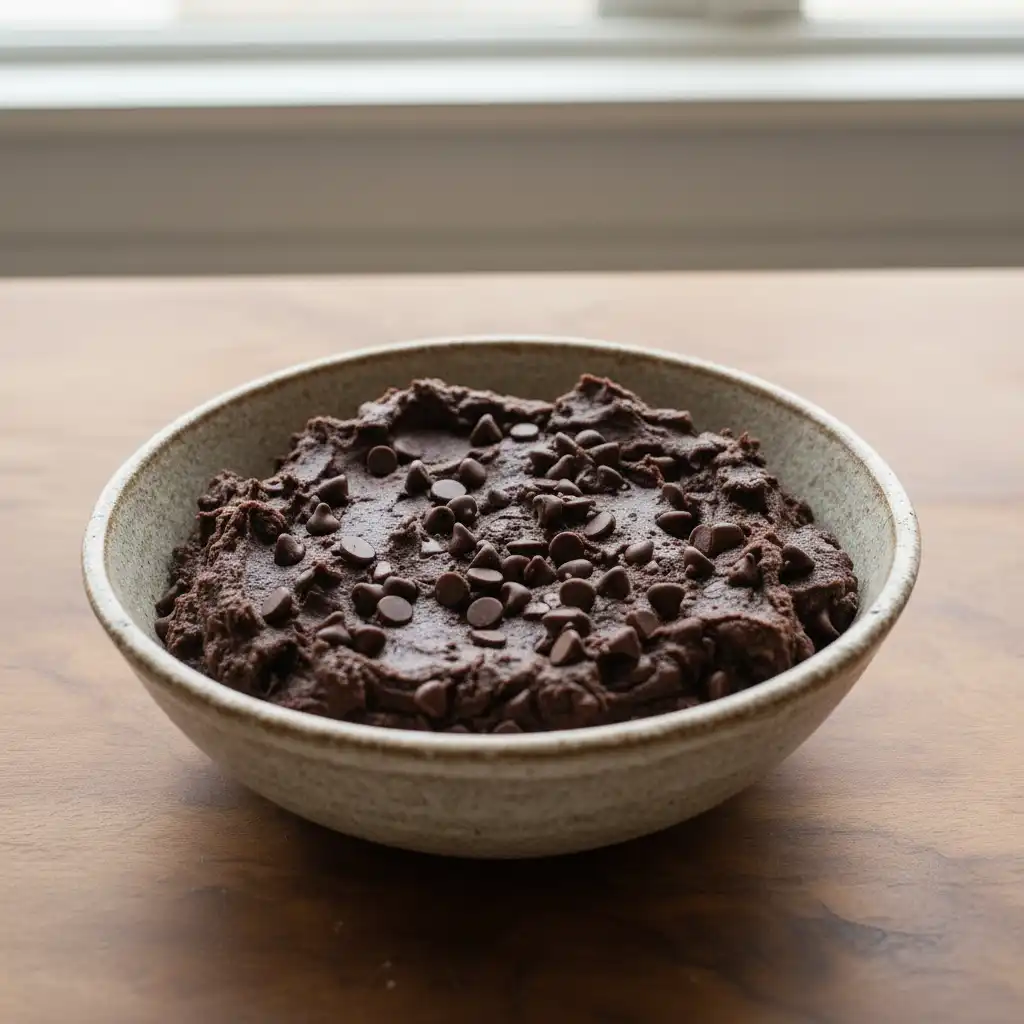
How to Customize the Flavor
Once you understand the base formula, it is easy to make the dough your own.
Add Espresso Powder
A small amount of espresso powder intensifies chocolate flavor without making the dough taste like coffee. Start with 1/2 teaspoon for a subtle boost.
Use Brown Butter
Brown butter adds toasted, caramel-like depth. It works especially well with dark cocoa and semi-sweet chocolate chips. Let the browned butter cool until it is creamy before using it in dough.
Add a Creamy Center
For bakeable cookies, wrap dough around a soft center such as caramel, chocolate ganache, or a small piece of peanut butter cup. Chill the stuffed dough balls before baking so they hold their shape.
Mix in Crunch
Chocolate dough pairs beautifully with texture. Try adding chopped toasted pecans, walnuts, pretzels, cacao nibs, or crushed sandwich cookies.
Add a Hint of Spice
Cinnamon, cayenne, cardamom, or a pinch of chili powder can make chocolate cookie dough feel more sophisticated. Use a light hand so the cocoa remains the focus.
Make It Extra Fudgy
For a brownie-like dough, add an extra egg yolk to the bakeable version or reduce the flour slightly. You can also stir in chopped chocolate instead of relying only on chips.
Texture Troubleshooting
Even a simple dough can behave differently depending on ingredient temperature, measuring style, cocoa type, and kitchen humidity. Here is how to fix common issues.
If the Dough Is Too Dry
Chocolate dough can become dry if the flour or cocoa is overmeasured. Add milk, cream, or a splash of coffee one teaspoon at a time until the dough softens. For bakeable dough, avoid adding too much liquid or the cookies may spread unevenly.
If the Dough Is Too Sticky
Chill it first. Warm butter can make dough feel looser than it really is. If it is still sticky after chilling, add a small spoonful of flour. For edible dough, you can add a little more heat-treated flour or cocoa, depending on the flavor you want.
If the Cookies Spread Too Much
The dough may be too warm, the butter may have been too soft, or the flour may be too low. Chill the dough longer before baking. You can also bake a test cookie before committing to the whole batch.
If the Cookies Taste Bitter
Some cocoa powders are more intense than others. Add a little more salt, vanilla, or chocolate chips to balance the flavor. Milk chocolate chips can soften the edge of a very dark dough.
If the Cookies Are Cakey
Too much flour, too much egg, or overmixing can make cookies cakey. Measure flour carefully and mix only until the ingredients come together.
Chilling, Freezing, and Make-Ahead Tips
One of the best things about chocolate chocolate chip cookie dough is how well it stores. Chilling and freezing can actually improve flavor by giving the flour and cocoa time to hydrate.
For short-term storage, cover the dough and refrigerate it for up to a few days. Scoopable dough is easier to manage if you portion it before chilling. For longer storage, scoop dough balls onto a lined baking sheet, freeze until firm, then transfer them to a freezer-safe container.
When baking from frozen, you usually do not need to thaw the dough. Add a couple of extra minutes to the baking time and watch for set edges and soft centers.
Edible cookie dough can also be refrigerated or frozen. If frozen, let it sit at room temperature briefly before scooping or eating.
Serving Ideas Beyond Cookies
This dough can do more than become classic chocolate chip cookies. With small adjustments, it can turn into several crowd-pleasing desserts.
Try using it for:
- Cookie dough truffles: Roll edible dough into balls, chill, and dip in melted chocolate.
- Ice cream mix-ins: Freeze small bits of edible dough and stir them into vanilla, chocolate, or coffee ice cream.
- Cookie skillet: Press bakeable dough into a small skillet and bake until the edges are set and the middle is gooey.
- Brownie topping: Crumble edible dough over frosted brownies.
- Dessert jars: Layer edible dough with whipped cream, chocolate pudding, and crushed cookies.
- Cookie sandwiches: Bake the dough into cookies and sandwich them with vanilla buttercream, cream cheese frosting, or marshmallow filling.
These options make one base recipe feel versatile enough for parties, holidays, bake sales, or weekend baking.
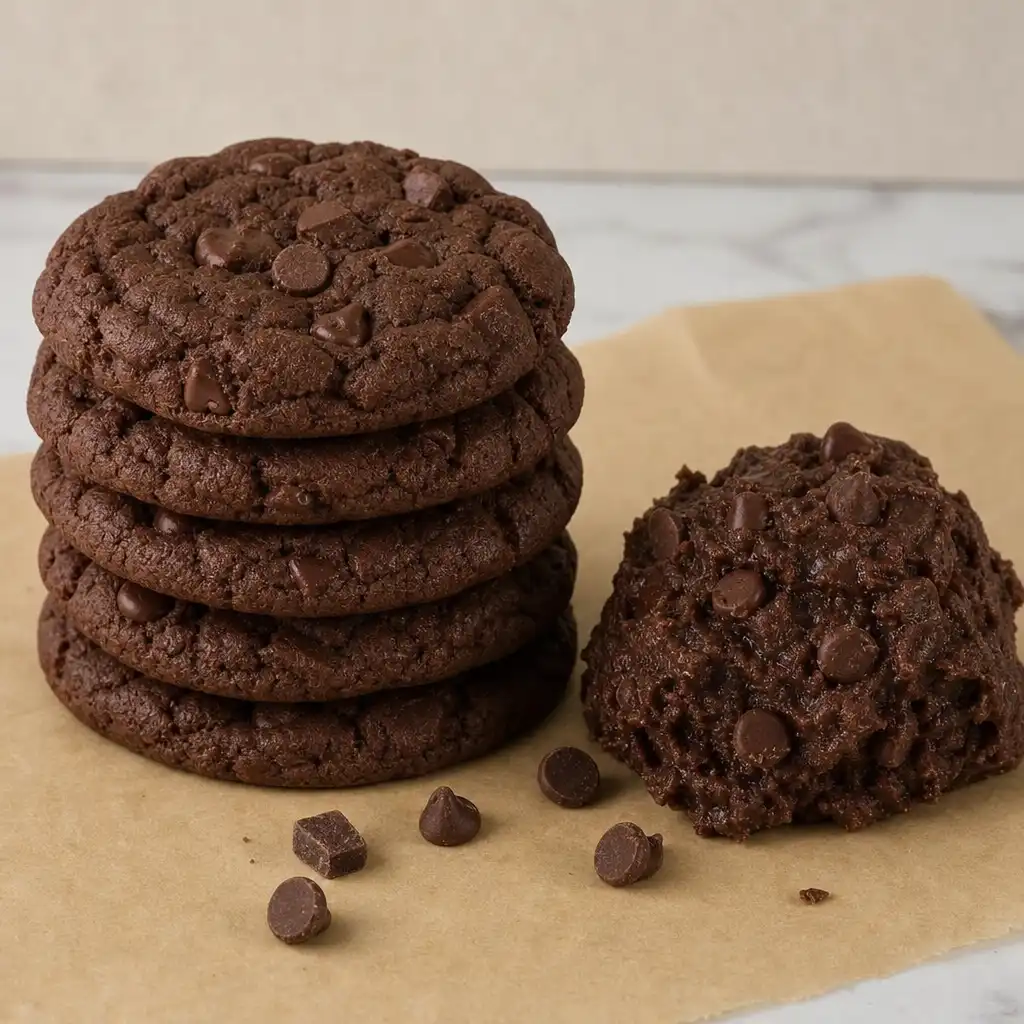
Best Practices for Rich, Bakery-Style Results
Small technique changes can make a big difference in the final dough.
First, use room-temperature butter that is soft but not oily. If you press it gently, it should give slightly without collapsing. Butter that is too warm can make dough greasy and cause cookies to spread too much.
Second, do not skip the salt. Chocolate needs contrast, and salt helps every other flavor stand out. If you use salted butter, reduce the added salt slightly rather than removing it completely.
Third, chill the dough when baking cookies. Even 30 minutes can improve thickness and flavor. Overnight chilling creates an even deeper taste, especially in cocoa-based doughs.
Fourth, use a mix of chocolate. Combining chips with chopped chocolate gives you both structure and melty pockets. For a dramatic bakery look, press a few extra chocolate pieces onto each dough ball before baking.
Finally, bake by visual cues rather than time alone. Chocolate cookies can be tricky because browning is harder to see. Look for set edges, slightly puffed centers, and a soft middle that firms as it cools.
Simple Variations to Try
If you want to turn the base dough into a signature recipe, start with one of these combinations:
- Triple chocolate: Use cocoa dough with semi-sweet chips, dark chocolate chunks, and white chocolate chips.
- Chocolate peanut butter: Add peanut butter chips or swirl peanut butter into edible dough.
- Mint chocolate: Add a small amount of peppermint extract and use dark chocolate chips.
- Salted caramel: Fold in caramel bits and finish baked cookies with flaky salt.
- Cookies and cream: Add crushed chocolate sandwich cookies and white chocolate chips.
- Mocha chip: Add espresso powder and chopped dark chocolate.
- Rocky road: Mix in mini marshmallows and chopped almonds for edible dough, or add marshmallows after baking so they do not disappear into the cookies.
Each variation keeps the spirit of the original dough while adding a distinct flavor profile.
Final Thoughts
A great double-chocolate dough is rich, flexible, and surprisingly easy to master once you understand the role of each ingredient. Whether you bake it into chewy chocolate chip cookies, scoop it into edible dessert cups, or freeze it for future cravings, the best results come from careful measuring, quality cocoa, enough salt, and plenty of chocolate chips.
Start with the base cookie dough recipe, then adjust the texture and mix-ins to suit the occasion. With a little chilling time and a few smart flavor additions, your chocolate chocolate chip cookie dough can become the kind of dessert people ask for again and again.