Gluten-free baking has come a long way from dry, crumbly cookies that taste like a compromise. With the right ingredients, a few simple techniques, and dependable flavor combinations, gluten free cookies can be chewy, crisp-edged, buttery, chocolatey, tender, or rich enough to satisfy any dessert craving.
This guide walks you through practical tips, ingredient swaps, and several delicious cookie ideas you can make at home. Whether you are baking for someone with gluten sensitivity, planning a dessert tray, or simply exploring new gluten free recipes, these cookies are approachable, flexible, and full of flavor.
What Makes a Cookie Gluten-Free?
A cookie is gluten-free when it is made without wheat, barley, rye, or ingredients derived from those grains. Traditional cookies usually rely on wheat flour for structure, chew, and spread. Gluten-free baking replaces that structure with ingredients such as:
- Gluten-free all-purpose flour blends
- Almond flour
- Oat flour made from certified gluten-free oats
- Coconut flour
- Tapioca starch, potato starch, or cornstarch
- Ground flaxseed or chia seeds
- Nut butters
The key is not simply removing wheat flour. The best gluten free desserts are built with balance in mind: moisture, fat, sweetness, binding, and texture all need to work together.
For cookies, this is good news. Unlike bread, cookies do not need a strong gluten network. That makes them one of the easiest and most rewarding gluten-free bakes to master.
Essential Tips for Better Gluten-Free Cookies
Before jumping into the recipes, keep these baking principles in mind. They can make the difference between cookies that fall apart and cookies that taste bakery-worthy.
Use a Good Gluten-Free Flour Blend
For classic cookie recipes, a cup-for-cup gluten-free flour blend is often the easiest choice. Look for a blend designed for baking and, if possible, one that includes xanthan gum or another binder. If your blend does not contain a binder, you may need to add a small amount to help the cookies hold together.
Different blends absorb liquid differently, so the dough texture matters more than exact appearance. If a dough seems too dry, let it rest before adding more liquid. Gluten-free flours often need a little time to hydrate.
Let the Dough Rest
Resting cookie dough for 20 to 30 minutes can improve texture. This gives gluten-free flours and oats time to absorb moisture, reducing grittiness and helping cookies bake more evenly.
For thicker cookies, chill the dough. For thinner, crispier cookies, bake soon after mixing unless the dough is overly soft.
Choose Certified Gluten-Free Oats
Oats are naturally gluten-free, but they are often processed near wheat. If you are making gluten free oatmeal cookies, use certified gluten-free oats to reduce the risk of cross-contact.
Old-fashioned rolled oats create a chewy texture. Quick oats make cookies softer and more uniform. Both can work, but rolled oats give a more classic oatmeal cookie bite.
Do Not Overbake
Gluten-free cookies often look slightly underdone when they are ready. Pull them from the oven when the edges are set and the centers still look soft. They will continue firming as they cool on the baking sheet.
Add Flavor and Texture
Because some gluten-free flours have neutral or slightly earthy flavors, mix-ins can help create a more satisfying cookie. Try:
- Chocolate chips or chopped chocolate
- Toasted nuts
- Dried cranberries or raisins
- Coconut flakes
- Orange zest
- Cinnamon, nutmeg, or cardamom
- Espresso powder
- Sea salt
These additions turn simple gluten free treats into cookies that feel special without becoming complicated.
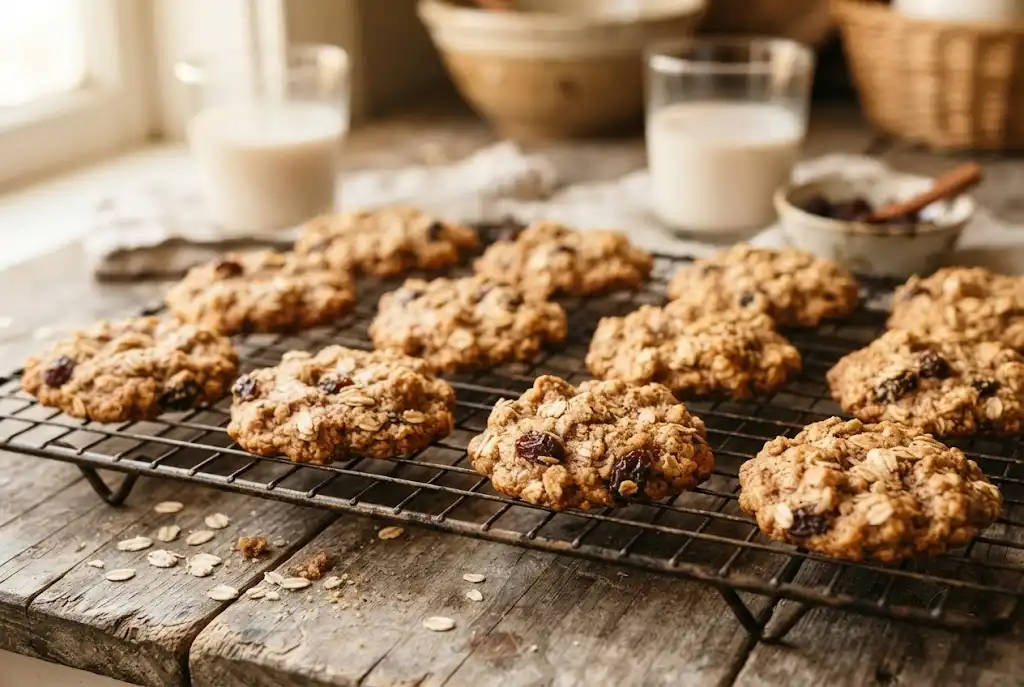
Recipe 1: Chewy Gluten-Free Oatmeal Cookies
These classic gluten free oatmeal cookies are soft in the center, lightly crisp around the edges, and easy to customize. They are perfect for lunchboxes, afternoon coffee, or anytime you want cozy gluten free sweets with familiar flavor.
Ingredients
- 1 cup certified gluten-free rolled oats
- 3/4 cup gluten-free all-purpose flour
- 1/2 teaspoon baking soda
- 1/2 teaspoon cinnamon
- 1/4 teaspoon salt
- 1/2 cup softened butter or dairy-free butter
- 1/2 cup brown sugar
- 1/4 cup granulated sugar
- 1 large egg
- 1 teaspoon vanilla extract
- 1/2 cup raisins, chocolate chips, or chopped walnuts
Instructions
- Preheat the oven to 350°F and line a baking sheet with parchment paper.
- In a bowl, whisk together the oats, gluten-free flour, baking soda, cinnamon, and salt.
- In another bowl, beat the butter, brown sugar, and granulated sugar until creamy.
- Mix in the egg and vanilla.
- Add the dry ingredients and stir until combined.
- Fold in raisins, chocolate chips, or walnuts.
- Let the dough rest for 20 minutes.
- Scoop onto the baking sheet, leaving space between cookies.
- Bake for 10 to 12 minutes, until the edges are set.
- Cool on the baking sheet for 10 minutes before moving to a rack.
Baking Note
If you are specifically looking for gluten free flour oatmeal cookies, this recipe is a great starting point because it uses both gluten-free flour and oats for a balanced, chewy texture.
Recipe 2: Double Chocolate Gluten-Free Cookies
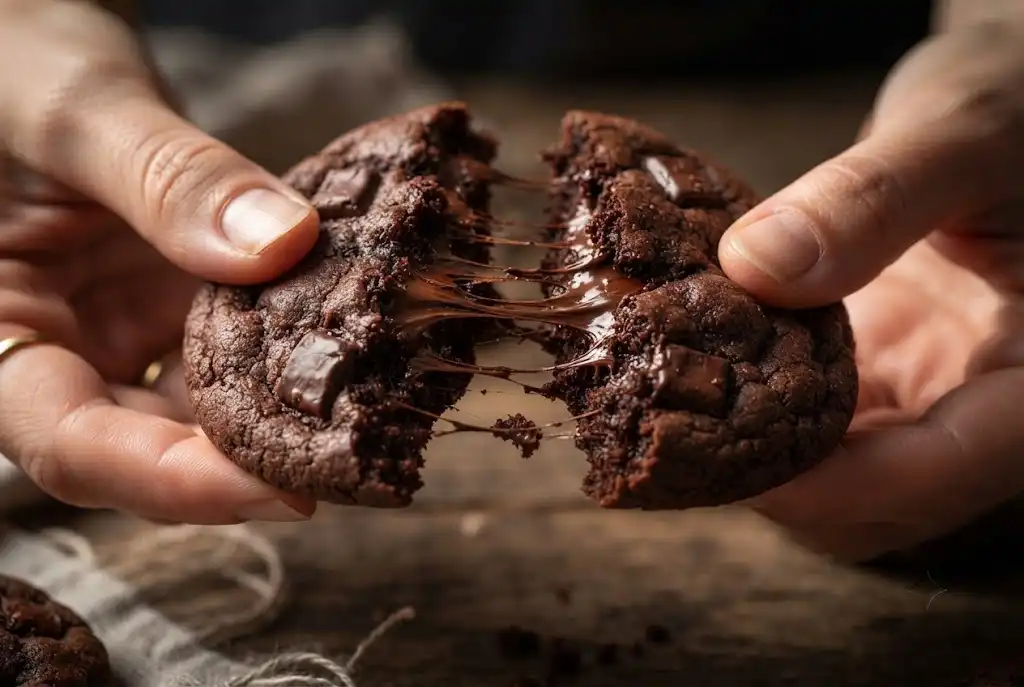
These cookies are rich, fudgy, and ideal for chocolate lovers. They taste like a cross between a brownie and a soft cookie, making them one of the easiest gluten free desserts to serve at parties.
Ingredients
- 1 cup gluten-free all-purpose flour
- 1/3 cup unsweetened cocoa powder
- 1/2 teaspoon baking soda
- 1/4 teaspoon salt
- 1/2 cup softened butter or dairy-free butter
- 3/4 cup brown sugar
- 1 egg
- 1 teaspoon vanilla extract
- 3/4 cup gluten-free chocolate chips
Instructions
- Preheat the oven to 350°F and line a baking sheet with parchment paper.
- Whisk together the flour, cocoa powder, baking soda, and salt.
- Beat the butter and brown sugar until smooth.
- Add the egg and vanilla, then mix until combined.
- Stir in the dry ingredients.
- Fold in chocolate chips.
- Chill the dough for 20 minutes if it feels sticky.
- Scoop onto the baking sheet and bake for 9 to 11 minutes.
- Let the cookies cool before serving.
Flavor Tip
Add a pinch of espresso powder to deepen the chocolate flavor. You can also sprinkle flaky sea salt on top before baking for a sweet-salty finish.
Recipe 3: Vegan Gluten-Free Peanut Butter Cookies
These vegan gluten free cookies are naturally rich and satisfying thanks to peanut butter. They do not need eggs or dairy, and the dough comes together quickly in one bowl.
Ingredients
- 1 cup creamy peanut butter
- 1/2 cup brown sugar
- 1/4 cup maple syrup
- 2 tablespoons ground flaxseed mixed with 5 tablespoons water
- 1 teaspoon vanilla extract
- 1/2 teaspoon baking soda
- 1/4 teaspoon salt
- 1/3 cup gluten-free oat flour or gluten-free all-purpose flour
Instructions
- Mix the ground flaxseed and water, then let it sit for 5 to 10 minutes until thickened.
- Preheat the oven to 350°F and line a baking sheet with parchment paper.
- Stir together peanut butter, brown sugar, maple syrup, flax mixture, and vanilla.
- Add baking soda, salt, and flour.
- Mix until a soft dough forms.
- Scoop dough balls onto the baking sheet.
- Press each cookie gently with a fork in a crisscross pattern.
- Bake for 9 to 11 minutes.
- Cool completely before moving, as these cookies firm up as they rest.
Variation Ideas
For extra flavor, fold in dairy-free chocolate chips or chopped peanuts. If you want a nut-free version, sunflower seed butter can work, though the flavor and color may vary.
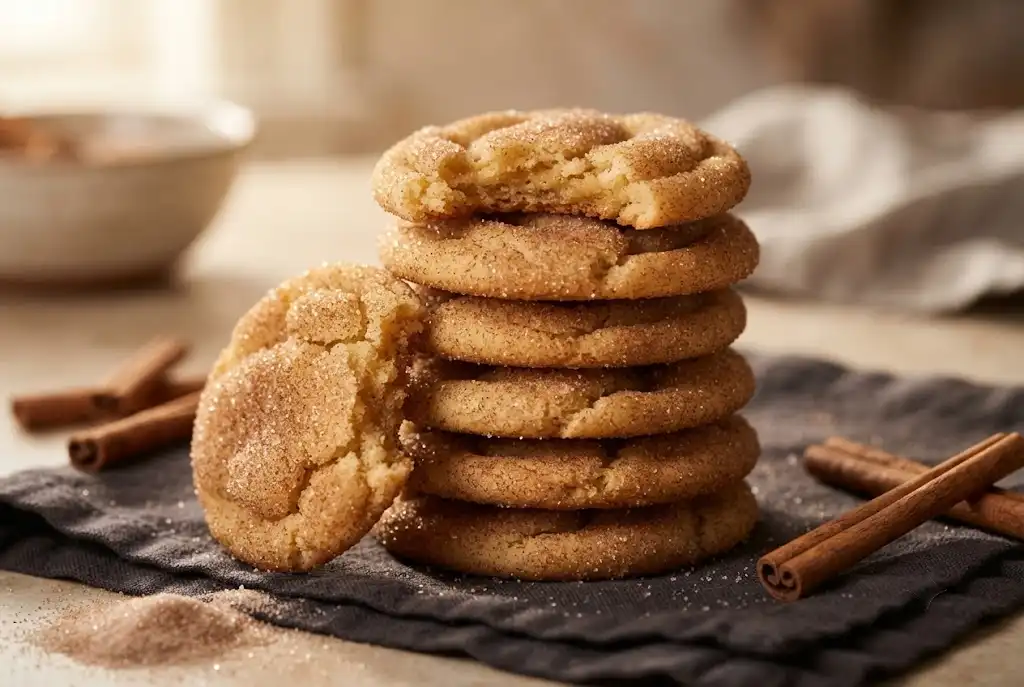
Recipe 4: Dairy-Free Snickerdoodle Cookies
If you need dairy free cookies that still taste soft, buttery, and nostalgic, snickerdoodles are a great choice. Dairy-free butter keeps the texture tender, while cinnamon sugar gives every bite a warm, classic flavor.
Ingredients
- 1 1/4 cups gluten-free all-purpose flour
- 1/2 teaspoon baking soda
- 1/2 teaspoon cream of tartar
- 1/4 teaspoon salt
- 1/2 cup dairy-free butter, softened
- 2/3 cup granulated sugar
- 1 egg
- 1 teaspoon vanilla extract
For rolling:
- 2 tablespoons granulated sugar
- 1 teaspoon cinnamon
Instructions
- Preheat the oven to 350°F and line a baking sheet with parchment paper.
- Whisk together the flour, baking soda, cream of tartar, and salt.
- Beat the dairy-free butter and sugar until creamy.
- Add the egg and vanilla.
- Stir in the dry ingredients until a soft dough forms.
- Mix the cinnamon and sugar in a small bowl.
- Scoop dough balls and roll each one in cinnamon sugar.
- Bake for 9 to 11 minutes, until puffed and lightly set.
- Cool on the baking sheet before transferring.
Texture Tip
For thicker snickerdoodles, chill the dough for 30 minutes. For softer cookies, avoid overbaking and remove them while the centers still look slightly tender.
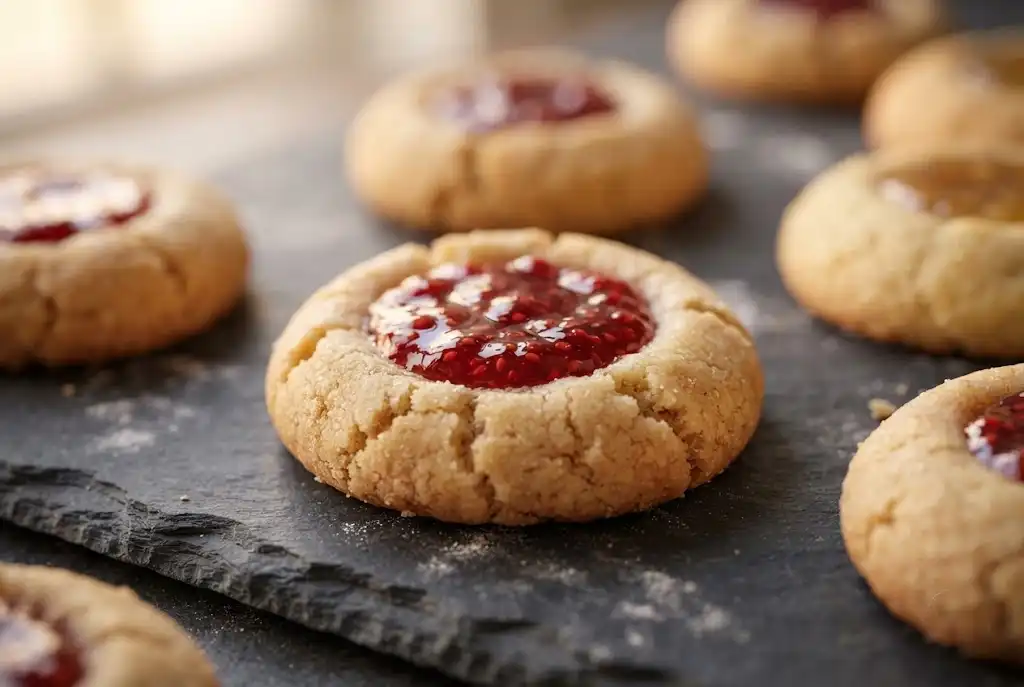
Recipe 5: Almond Flour Thumbprint Cookies
Almond flour gives these cookies a naturally tender crumb and subtle nutty flavor. Filled with jam or chocolate, they make beautiful gluten free treats for holidays, brunches, and dessert platters.
Ingredients
- 2 cups almond flour
- 1/4 teaspoon salt
- 1/4 teaspoon baking powder
- 1/4 cup softened butter, dairy-free butter, or coconut oil
- 1/4 cup maple syrup or honey
- 1 teaspoon vanilla extract
- 1/3 cup fruit jam, chocolate spread, or lemon curd
Instructions
- Preheat the oven to 350°F and line a baking sheet with parchment paper.
- Stir together almond flour, salt, and baking powder.
- Add butter, maple syrup, and vanilla.
- Mix until a soft dough forms.
- Scoop small dough balls onto the baking sheet.
- Press your thumb or the back of a spoon into each cookie.
- Add a small spoonful of jam or filling to each indentation.
- Bake for 10 to 12 minutes, until the edges are lightly golden.
- Cool completely before serving.
Best Fillings
Try raspberry jam, apricot preserves, dark chocolate, or a thick berry compote. For a brighter flavor, add lemon zest to the dough.
How to Make Gluten-Free Cookies Taste Better
Great gluten-free baking is not about using one magic ingredient. It is about layering flavor and managing texture. Here are simple ways to improve nearly any cookie recipe.
Brown the Butter When Possible
If your recipe uses butter and does not need to be dairy-free, browning the butter adds a rich, nutty flavor. Let it cool before adding it to dough so it does not melt the sugar too aggressively.
Use Brown Sugar for Chewiness
Brown sugar contains more moisture than white sugar, which helps create softer, chewier cookies. It works especially well in oatmeal, chocolate chip, and peanut butter cookies.
Add Salt Thoughtfully
A small amount of salt balances sweetness and makes flavors pop. For chocolate cookies, a tiny sprinkle of flaky salt on top can make them taste more bakery-style.
Chill Sticky Dough
Gluten-free dough can sometimes feel softer than wheat-based dough. Chilling helps control spread and makes scooping easier.
Measure Carefully
Too much flour is one of the most common reasons cookies turn dry. Spoon flour into the measuring cup and level it off instead of packing it down.
Easy Mix-Ins for Gluten-Free Cookies
Once you have a reliable base dough, mix-ins can turn it into dozens of new gluten free snacks and desserts. Consider adding:
- Mini chocolate chips for even chocolate distribution
- White chocolate chips and dried cranberries for a festive cookie
- Toasted pecans and cinnamon for a cozy flavor
- Shredded coconut and lime zest for a bright twist
- Chopped dates and walnuts for natural sweetness
- Crushed gluten-free pretzels for salty crunch
- Freeze-dried strawberries for color and tartness
Always check labels on mix-ins, especially chocolate chips, sprinkles, candy pieces, and flavored nuts. Some may contain gluten or be processed in facilities that also handle wheat.
Storing and Freezing Gluten-Free Cookies
Most gluten-free cookies store well, but they can dry out faster than traditional cookies. Keep them in an airtight container at room temperature for a few days, or refrigerate if your filling or ingredients require it.
For longer storage, freeze baked cookies in a sealed container with parchment between layers. You can also freeze unbaked dough balls. Bake them straight from frozen, adding a minute or two to the baking time as needed.
If cookies become slightly dry, warm them briefly before serving. A few seconds of gentle heat can refresh the texture and bring back that fresh-baked softness.
Common Gluten-Free Cookie Problems and Fixes
Even reliable recipes can behave differently depending on the flour blend, humidity, oven temperature, and ingredient brands. Here is how to troubleshoot common issues.
Cookies Spread Too Much
The dough may be too warm, too wet, or low in flour. Chill it before baking, and make sure your baking sheet is cool before adding the next batch.
Cookies Are Dry or Crumbly
There may be too much flour, not enough fat, or not enough binding. Try resting the dough before baking, measuring flour more lightly, or adding an extra egg yolk if the recipe allows.
Cookies Taste Gritty
Some gluten-free flours need more hydration time. Let the dough rest for 20 to 30 minutes before baking.
Cookies Do Not Hold Together
Your flour blend may need a binder. Xanthan gum, psyllium, egg, flaxseed, or chia can help depending on the recipe.
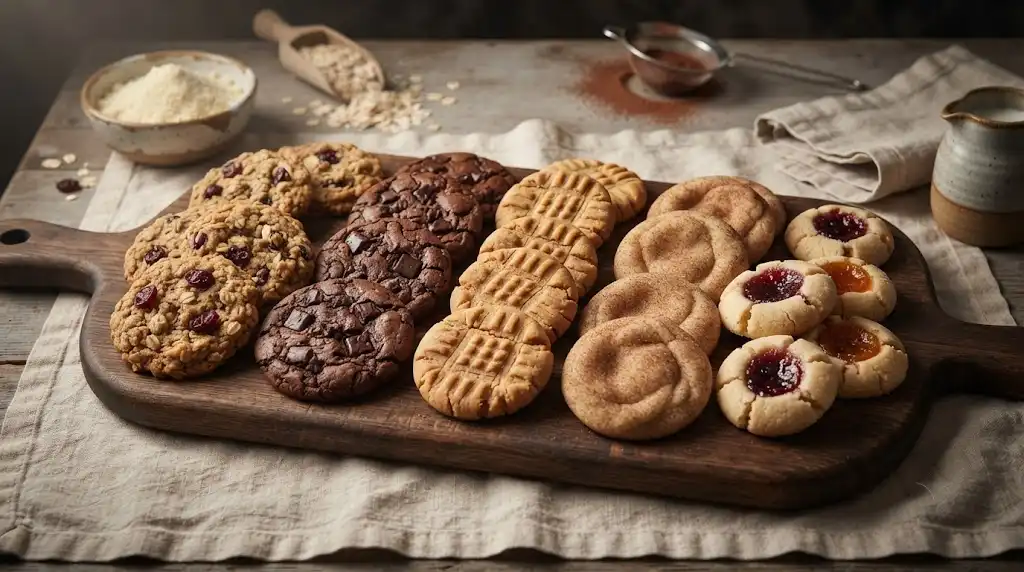
Building a Gluten-Free Cookie Platter
A good cookie platter includes different textures, flavors, and colors. Instead of making five versions of the same cookie, aim for variety:
- One chocolate cookie, such as double chocolate chip
- One spiced cookie, such as snickerdoodles
- One fruit-filled cookie, such as thumbprints
- One chewy cookie, such as oatmeal raisin
- One allergy-friendly option, such as vegan peanut butter cookies
This makes your platter more inviting and helps accommodate different dietary needs. It also turns simple gluten free sweets into a dessert spread that feels thoughtful and abundant.
Final Baking Thoughts
Gluten-free cookies can be every bit as delicious as traditional cookies when you use the right techniques. Start with dependable flour, give the dough time to rest, avoid overbaking, and choose flavorful mix-ins that add texture and personality.
Whether you are making chewy oatmeal cookies, rich chocolate cookies, vegan gluten free peanut butter cookies, or tender dairy free cookies, the goal is the same: cookies that taste good enough for everyone to enjoy, not just those avoiding gluten.
Keep a few of these recipes in your regular baking rotation, and you will always have satisfying gluten free treats ready for holidays, parties, lunchboxes, or quiet moments with a warm drink.