Unsalted Butter for Sugar Cookies: The Complete Baker’s Authority Guide
Quick Take: Why Use Unsalted Butter for Sugar Cookies?
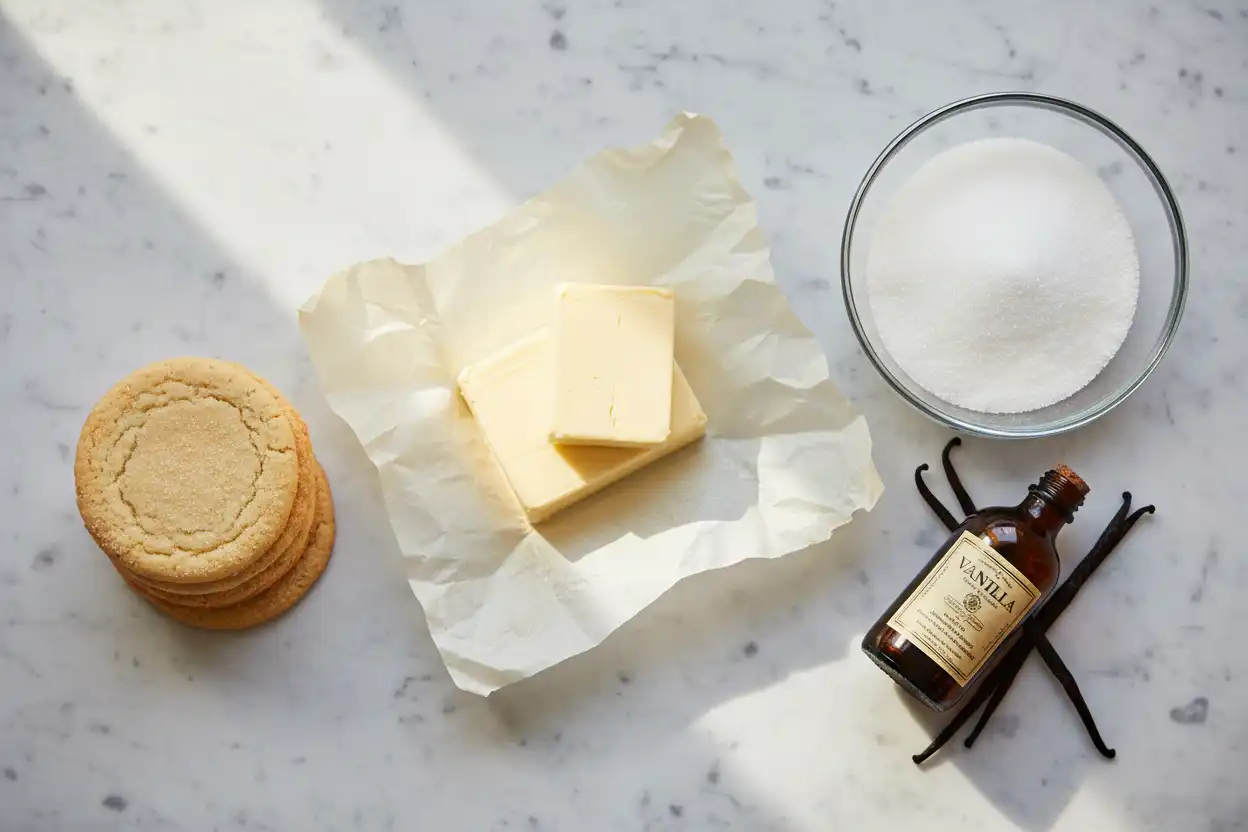
Using unsalted butter for sugar cookies gives the baker total control over sodium levels, moisture ratios, and fat distribution. Commercial salted butter varies widely by brand, containing anywhere from 1.25% to 2% added sodium by weight. That inconsistency can easily skew subtle flavor balances and unintentionally alter dough hydration.
Unsalted butter also contains zero added preservatives. This guarantees that your butterfat delivers a fresh, sweet dairy flavor essential for light, vanilla-forward cookies. It allows fine table salt or kosher salt to be measured independently down to the exact gram.
- Precise Salinity: Fine-tune salt to support sweetness without masking pure butter flavor.
- Moisture Predictability: Reduces unexpected moisture fluctuations that trigger excess cookie spread.
- Flavor Purity: Delivers sweet cream notes without harsh mineral aftertastes.
Introduction: Why Butter Choice Dictates Cookie Success
Sugar cookies seem deceptively simple because their ingredient list is brief. Flour, butter, sugar, eggs, leavening, and flavoring compose almost every traditional formula. Because there are no rich mix-ins like chocolate chips, chopped nuts, or dried fruit to hide flaws, the quality and behavior of every individual ingredient determines the final outcome.
Butter plays the heaviest structural and sensory role in sugar cookie dough. It controls how much the dough spreads in the oven, dictates the final snap or chewiness, and creates the signature melt-in-your-mouth crumb. Choosing the right style and condition of butter is the foundational decision every baker makes before turning on the mixer.
This guide breaks down the physical, chemical, and culinary reasons why unsalted butter remains the global gold standard for rolled, cut-out, drop, and slice-and-bake sugar cookies. Whether you are troubleshooting spread, perfecting sharp edges for royal icing, or mastering butter emulsification, the principles detailed here provide total command over your bake.
The Food Science: Composition of Butter in Cookie Dough
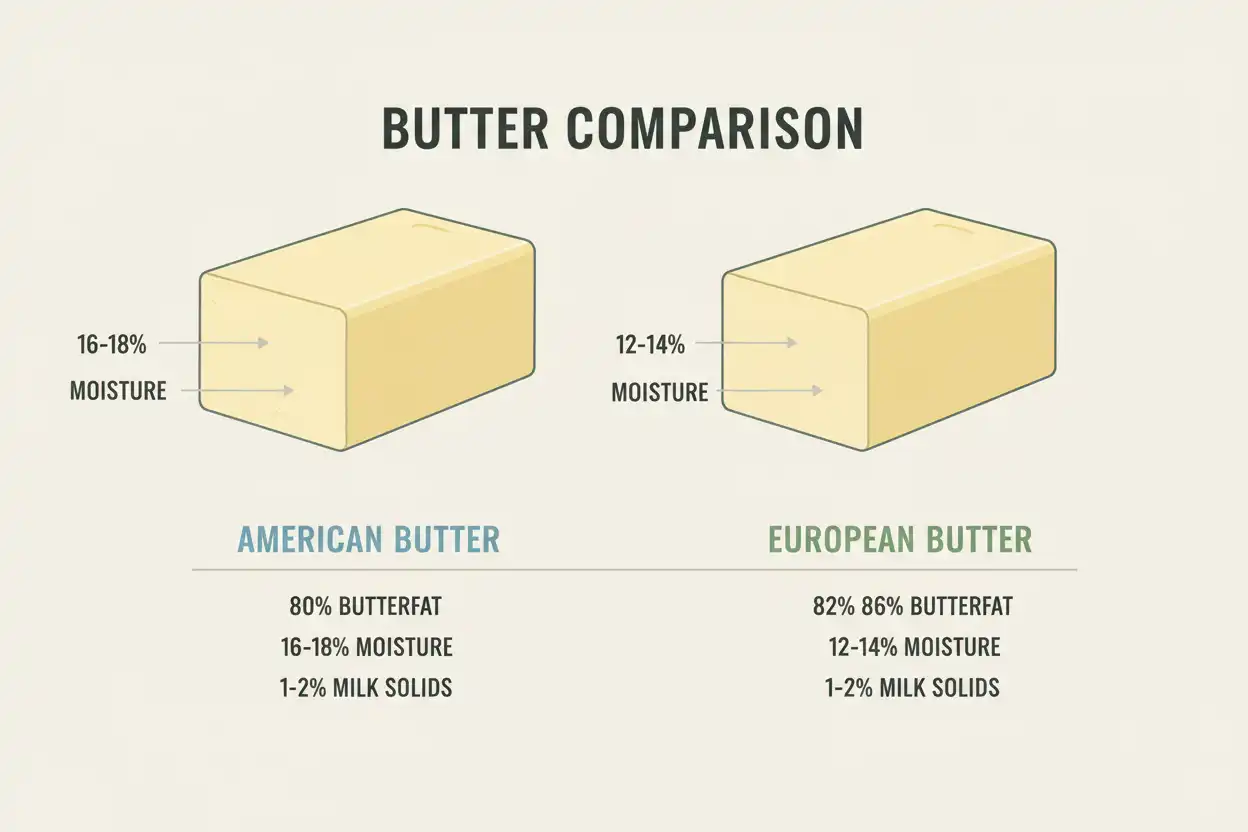
Butter is not purely fat; it is a delicate emulsion of water suspended within butterfat, held together by natural milk proteins. In the United States, commercial butter must contain at least 80% butterfat by law, leaving roughly 16% to 18% water and 1% to 2% milk solids. European-style butters raise that standard to 82% to 86% butterfat, lowering the moisture content accordingly.
When butter is creamed alongside granulated or powdered sugar, jagged sugar crystals cut into the solid fat. This mechanical friction creates microscopic air pockets trapped within the fat matrix. Later in the oven, expanding gases and steam inflate these tiny pockets, providing a delicate lift and tender crumb without over-relying on chemical leaveners like baking powder.
The moisture component within butter also hydrates the starches and proteins present in all-purpose flour. As that water encounters flour proteins (glutenin and gliadin), gluten networks begin to form. Higher water contents naturally build firmer gluten structures, which can quickly turn a tender sugar cookie tough, dense, or rubbery if handled carelessly.
The Role of Butterfat in Limiting Gluten
Butter acts as a true “shortener” in pastry arts. Fat coats flour proteins, physically blocking them from bonding with free moisture. This keeps gluten strands short, creating a fragile, tender structure that snaps cleanly under pressure rather than stretching like bread dough.
If fat content drops too low due to high water percentages, gluten development runs unchecked. Using high-quality butter with stable fat concentrations ensures your dough holds clean edges when cut into shapes.
Milk Solids and Browning Dynamics
The remaining 1% to 2% of butter consists of non-fat milk solids, primarily lactose sugars and proteins like casein and whey. During baking, these solids undergo the Maillard reaction and thermal caramelization at heat levels above 300°F (150°C).
In sugar cookies, milk solids produce delicate golden rims around the base and edges. High-quality unsalted butter yields a uniform, pale golden base that keeps cookies looking pristine, especially when paired with decorative royal icing.
The Salt Problem: Why Salted Butter Compromises Consistency
Salt serves as a natural flavor enhancer and preservative. In historical dairy production, heavy salting extended butter shelf life by inhibiting bacterial growth in unrefrigerated cellars. Modern industrial refrigeration eliminates this practical necessity, yet salted butter remains a staple for tabletop spreads.
The primary issue with salted butter in pastry work is a total lack of regulatory uniformity. Food safety standards mandate minimum fat thresholds, but they do not enforce a standard salt concentration for salted sweet cream butter across manufacturers.
Brand-to-Brand Variance
One commercial dairy brand might add 1.2% salt by weight, while a neighboring competitor adds 2.1%. In a sugar cookie recipe requiring one cup (two sticks or 227 grams) of butter, this spread can inject between 2.7 grams and nearly 5 grams of salt into your bowl without your knowledge.
A single extra gram of sodium can push a light vanilla sugar cookie past savory balance into a harsh, metallic profile. Working with unsalted butter allows you to measure salt using high-precision digital scales, guaranteeing repeatable results every single batch.
Masking Off-Flavors
Because salt acts as a preservative, salted butter retains a longer grocery shelf life than unsalted butter. That extra durability means salted butter may sit in transit, warehouses, and grocery dairy cases longer before it reaches your kitchen cart.
Unsalted butter turns over rapidly in stores precisely because it lacks sodium preservatives. Buying unsalted butter ensures you bring home the freshest sweet cream fat available, free from aged refrigerator odors or stale lactic notes.
American vs. European Butter: Fat Content Breakdown
Bakers frequently debate whether traditional American sweet cream butter or higher-fat European-style butter produces superior sugar cookies. The distinction rests entirely on fat-to-water ratios and culture processes.
American standard butter sits right at 80% butterfat and 16% to 18% water. It is churned from sweet, unfermented pasteurized cream, yielding a clean, neutral dairy flavor that lets vanilla bean, almond emulsion, or citrus zest shine through unobstructed.
European-style butters (such as Kerrygold, Plugrá, or French AOC/AOP certified brands) are churned to 82% to 86% fat. They are often cultured with live bacterial strains prior to churning, producing complex, tangy lactic acid notes and rich hazelnut undertones.
Impact on Sugar Cookie Dough Structure
Because European butter carries roughly 2% to 4% less water, it hydrates flour proteins more slowly. This produces an exceptionally tender, short crumb that practically melts upon eating. However, higher fat percentages also lower the overall melting point of your dough.
For rolled cut-out cookies where maintaining crisp corners, fluted edges, and intricate stencil lines is paramount, higher fat can sometimes encourage excess slumping if chilling steps are rushed. American butter provides a reliable balance of structure and tenderness, while European butter delivers unmatched richness in flat drop cookies and buttery shortbreads.
Butter Temperature: Solid, Softened, Melted, or Browned
Ingredients matter, but temperature dictates their physical performance. The thermal state of your unsalted butter when it enters the mixing bowl controls aeration, emulsion stability, and gluten inhibition.
Room Temperature: The 65°F Sweet Spot
Most sugar cookie recipes call for “room-temperature” butter, but common kitchen environments often sit too warm for stable baking physics. Butter warms into an unstable liquid-fat state once it creeps past 70°F (21°C).
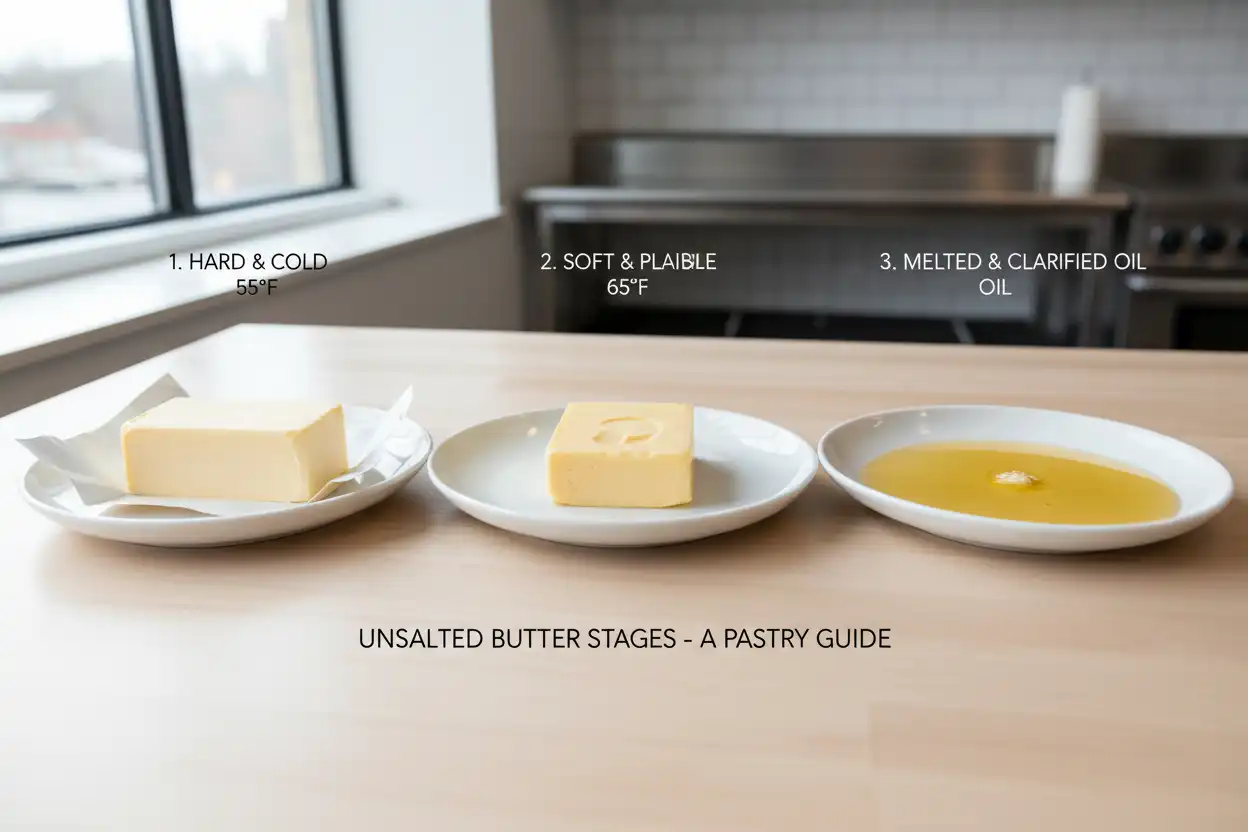
True baking room temperature for butter falls between 63°F and 68°F (17°C to 20°C). At this exact thermal window, butterfat is pliable enough to yield under slight thumb pressure, yet cool enough to maintain its structured crystalline matrix. This stability allows it to trap and expand pocketed air without collapsing into grease during the creaming stage.
Cold Butter for Cut-Out Cookies
Some bakers utilize colder butter (55°F to 60°F / 13°C to 15°C) when formulating cut-out cookies intended for intricate decorating. Beating colder butter produces a denser dough structure with smaller air pockets.
While this yields a firmer crumb, it effectively prevents the cookies from puffing or distorting during baking. As a result, cookies emerge from the oven flat, smooth, and ready for clean flood-consistency royal icing.
Melted Butter: Chewy Centers vs. Crisp Edges
Melting unsalted butter completely destroys the fat-and-water emulsion. The freed water instantly bonds with flour starches, while the liquefied fat coats surfaces without trapping air.
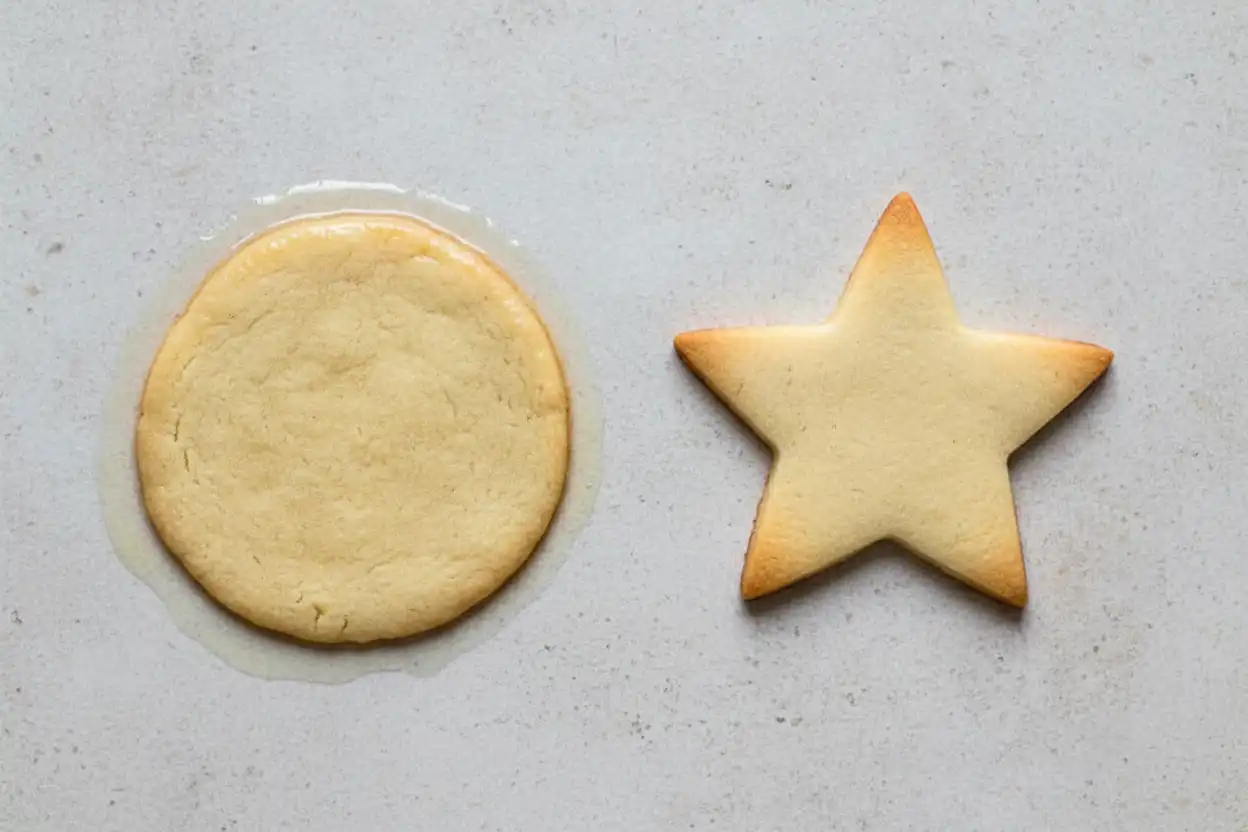
This technique is popular for thick, chewy drop sugar cookies reminiscent of snickerdoodles or bakery-style drop rounds. However, melted butter is disastrous for rolled cookies, as it causes severe spreading and blurred outlines on baking sheets.
Browned Butter: Deepening Aroma and Managing Water Loss
Browning unsalted butter (beurre noisette) toasts milk proteins, infusing dough with deep aromas of toasted nuts, butterscotch, and warm toffee. It elevates an ordinary sugar cookie into a complex, nuanced dessert.
However, browning boils off nearly all of the 16% to 18% water naturally present in the butter. If you substitute browned butter straight into a standard recipe without replacing that lost moisture, your dough will turn crumbly and dry. Always replenish moisture by chilling the browned butter back to a solid state alongside one tablespoon of milk, water, or bourbon per stick of butter used.
Step-by-Step Guide: Managing Butter in Sugar Cookie Dough
Follow this precise sequence to manipulate, cream, and bake unsalted butter for flawless sugar cookies every single time.
Step 1: Temper the Butter Accurately
Remove cold unsalted butter from the refrigerator 45 to 60 minutes before baking. Slice sticks into uniform half-inch pats to dramatically speed up even thermal tempering without hot spots.
Pro Tip: Avoid the microwave defrost cycle. Microwaves heat erratically, liquefying inner fat cores while leaving outside layers solid, which ruins creaming potential.
Step 2: Execute the Creaming Process
Place 65°F unsalted butter and granulated sugar into a stand mixer bowl fitted with the paddle attachment. Cream on medium-low speed for two to three minutes until the mixture looks pale, creamy, and cohesive.
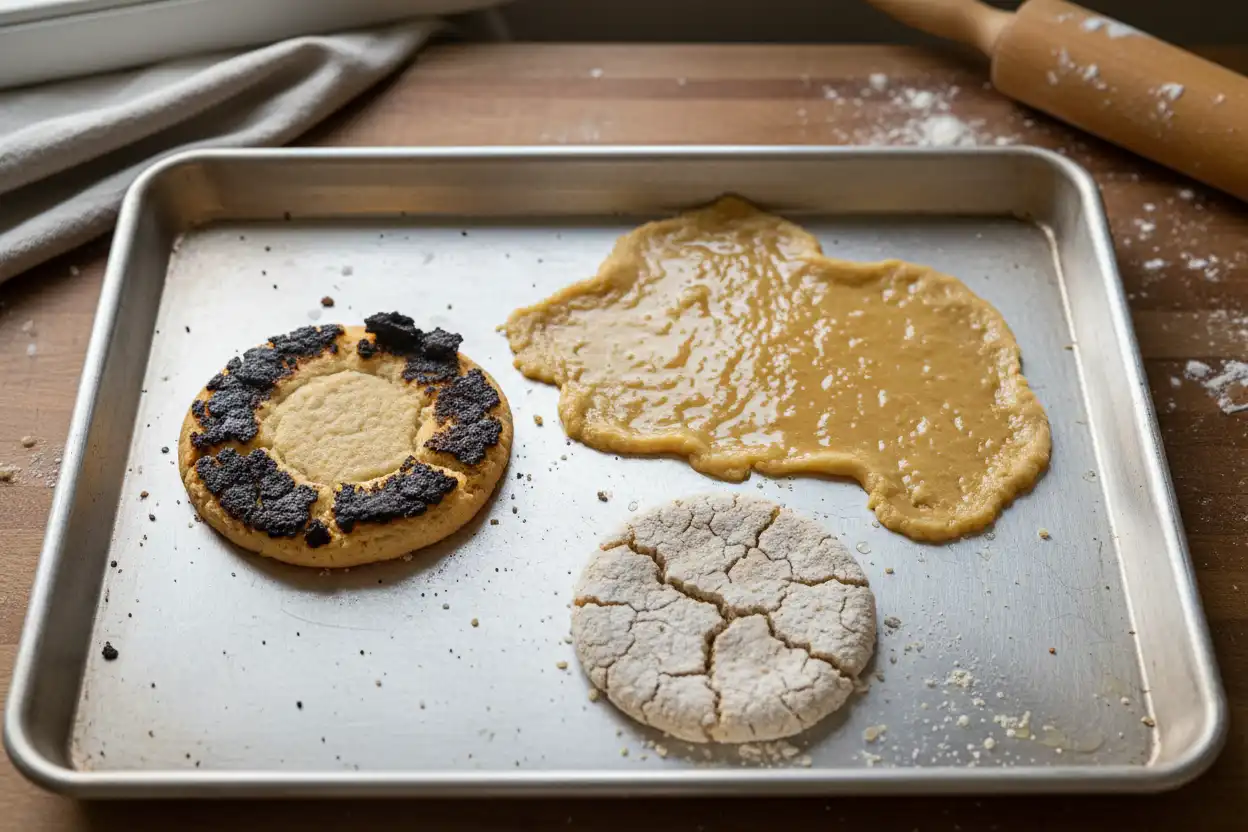
Common Mistake: Beating on high speed for five to six minutes whips excess air into the dough. That trapped air balloons inside the hot oven, leading to peaked surfaces that collapse into cracked craters as they cool.
Step 3: Emulsify with Room-Temperature Eggs
Incorporate eggs one at a time, ensuring each addition is fully combined before pouring the next. Cold eggs straight from the fridge will shock warm butterfat, causing the emulsion to break, curdle, and leak liquid fat.
If your mixture splits, stir in two tablespoons of your measured flour formula immediately. The starches will bind the separated liquid and fat phases back into balance.
Step 4: Incorporate Dry Ingredients Gently
Sift your dry ingredients—flour, measured salt, and leavening agents—together in a separate bowl. Turn the mixer down to the lowest setting and add the dry mix in two batches, pulsing until flour pockets just disappear.
Overworking flour after fat is incorporated activates tough gluten chains. Finish the final folding passes by hand with a silicone spatula to keep the dough tender and soft.
Step 5: Roll Between Parchment Sheets
Divide dough into two even portions. Roll each portion immediately between two ungreased sheets of parchment paper to your desired depth (one-quarter inch or five-sixteenths inch) using a rolling pin with thickness spacer rings.
Rolling dough while it is warm and supple avoids dry cracks. It also eliminates the need to dust extra flour over your counters, which dries out dough and leaves white residue on baked tops.
Step 6: Execute the Deep Chill
Stack rolled dough sheets flat on a baking sheet and refrigerate for a minimum of two hours, or freeze for 30 minutes. Butterfat must fully re-solidify before your cutters slice into it.
Cutting cold dough cleanly slices through chilled fat particles without stretching or pulling edges out of alignment.
Step 7: Cut and Return to Cold Storage
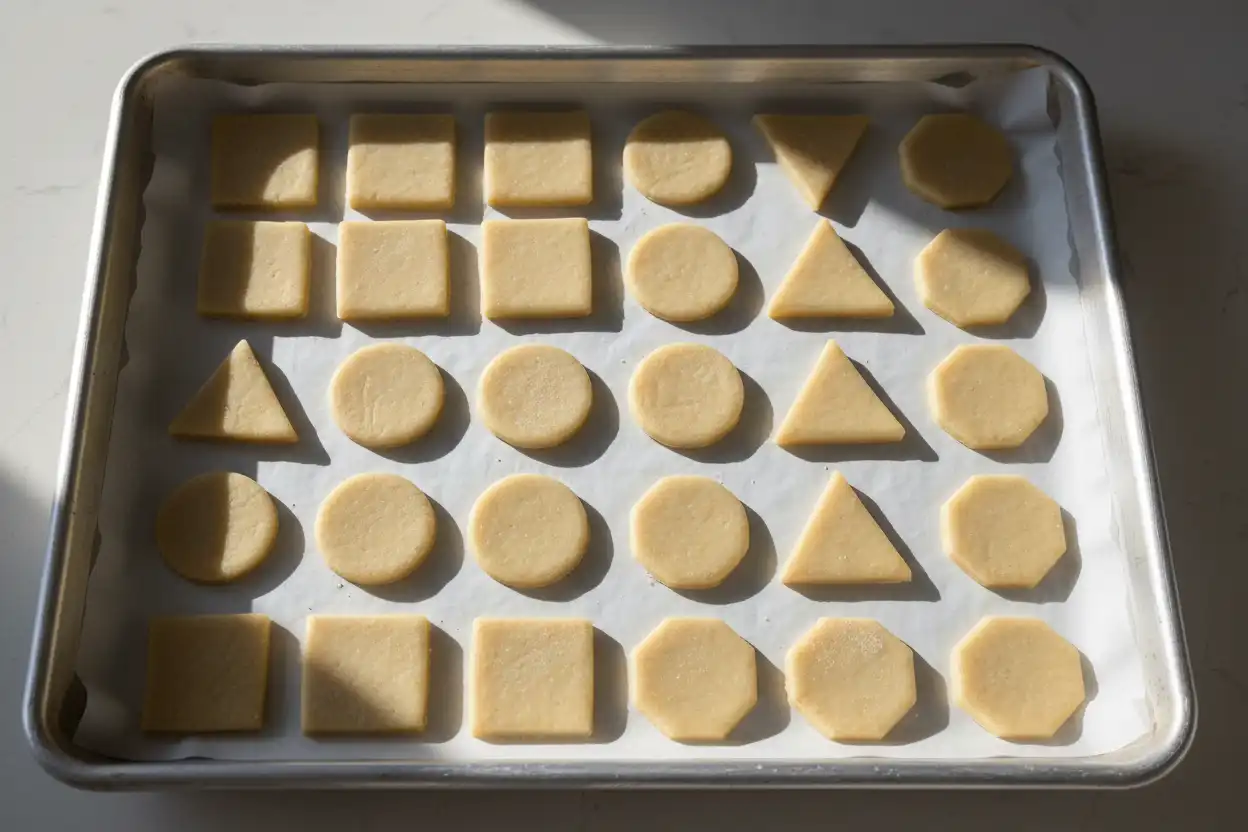
Punch out shapes using sharp metal cutters dipped in cornstarch, setting cutouts two inches apart on cold, parchment-lined heavy aluminum baking sheets. Place the cut sheet pan back into your freezer for 10 minutes prior to baking.
This final flash freeze ensures the outer butter borders solidify firmly, allowing starch structures to set in the hot oven before the fat has a chance to melt and spread.
Step 8: Bake and Cool Systematically
Bake at 350°F (177°C) for 10 to 14 minutes, depending on cutout surface area and thickness. Remove pans the instant the cookie centers look matte and the bottom perimeters take on a subtle ivory-gold ring.
Let cookies rest on the hot pan for five minutes so delicate butter structures firm up. Then, slide a thin offset spatula underneath and move them to a wire rack to cool down completely.
Side-by-Side Comparison: Butter Types in Sugar Cookies
Use this reference table to evaluate how common butter types and common fats behave in cut-out and drop sugar cookie recipes.
| Butter / Fat Variety | Fat Percentage | Water Percentage | Flavor Impact | Structural Performance |
|---|---|---|---|---|
| American Unsalted Butter | 80% | 16% – 18% | Clean, sweet cream dairy; lets vanilla and citrus shine. | Optimal. Clean edges, controlled spread, tender crumb. |
| American Salted Butter | 80% | 16% – 18% | Unpredictable saltiness; can overpower delicate notes. | Good, but salt concentration creates erratic moisture binding. |
| European Unsalted Butter | 82% – 86% | 12% – 14% | Deep, rich, faintly tangy from cultured cream fermentation. | Extremely tender, melts quickly; requires strict chilling to hold shapes. |
| Vegetable Shortening | 100% | 0% | Completely neutral; lacks rich dairy character and depth. | Flawless shape holding; zero spread, but leaves a waxy mouthfeel. |
| Plant-Based Vegan Butter Sticks | 75% – 79% | 20% – 25% | Varies; can leave coconut or palm oil flavor notes. | Higher water content often causes dough spreading and softer edges. |
How to Substitute Salted Butter When You Have No Choice
Professional bakers universally recommend unsalted butter, but home pantries do not always match ideal recipe conditions. If you only have salted butter on hand, use the practical conversion rules below to keep your bake balanced.
Most commercial dairies incorporate roughly one-quarter teaspoon of fine table salt per four-ounce stick (one-half cup or 113 grams) of salted butter. When scaling up to a full cup (two sticks or 227 grams), your butter brings approximately one-half teaspoon of salt with it.
For every stick (1/2 cup / 113g) of salted butter used in your sugar cookie recipe, subtract 1/4 teaspoon of salt from the dry ingredient measurements. If the recipe calls for 1/2 teaspoon of salt and two sticks of salted butter, omit the added salt entirely.
When You Should Never Substitute
Never substitute salted butter into brown butter dough bases. As moisture boils off, added salt becomes heavily concentrated in the remaining fat and browned milk solids, resulting in an overly salty base.
You should also avoid substituting salted butter when baking delicate rolled cut-outs intended for heavy royal icing designs. Royal icing recipes carry concentrated sugar formulas that clash noticeably with unpredictable sodium spikes underneath.
Professional Pastry Chef Tips and Advanced Techniques
Elevate your sugar cookies beyond standard home bakes with these practical techniques developed in commercial pastry kitchens.
1. Implement the Double-Faced Parchment Chill
Never chill your mixed sugar cookie dough in a dense, solid sphere. Chilling a round ball forces the exterior layers to turn rock hard while the interior core stays warm and soft.
Rolling dough flat between parchment sheets immediately after mixing creates uniform surface exposure. The entire slab cools evenly within 45 minutes, saving you time and avoiding uneven rolling resistance later on.
2. Pair Your Leaveners with Butter Moisture Levels
If you prefer European butter with lower moisture content, consider omitting baking powder entirely. Relying solely on the natural air pockets whipped into the butter fat matrix produces flat, razor-sharp cookies that will not distort your decorative piping.
For drop-style sugar cookies where crinkled tops and chewy centers are the goal, American unsalted butter paired with baking soda provides the moisture needed to dissolve sugar and promote a balanced, even spread.
3. Use Emulsion Flavoring Agents
Pure extracts mixed into alcohol often evaporate when exposed to high heat in the oven. Bakery emulsions, made with water-and-oil suspension bases, hold their integrity within unsalted butterfat during the bake.
Combining high-grade vanilla bean paste with a drop of citrus emulsion complements the clean dairy profile of unsalted butter without introducing raw alcohol notes.
Critical Mistakes That Ruin Sugar Cookie Texture
Avoid these common baking pitfalls that undermine the stability of unsalted butter in your sugar cookie dough.
Over-Creaming Butter and Granulated Sugar
Home bakers often treat sugar cookie dough like sponge cake, beating butter and sugar for several minutes until it becomes pale and billowy. Excessive creaming incorporates too many large air pockets.
In the oven, these air pockets expand rapidly before the flour starches gelatinize, causing the cookie to puff up and then sink into a wrinkled, irregular surface. Cream only until the ingredients combine smoothly, which takes about two minutes on medium-low speed.
Placing Chilled Dough onto Warm Sheet Pans
Reusing warm baking pans straight from the oven is a frequent cause of unappealing, oily spread. The residual metal heat melts the cold butterfat in your raw cutouts before the pan even enters the oven.
This early melting causes butterfat to pool outward across the pan, creating thin, greasy edges that burn quickly. Always ensure your baking pans are cool to the touch, or chill them in the refrigerator before loading on cold dough shapes.
Softening Butter via Direct Microwave Heating
Microwaving a cold stick of butter melts its crystalline fat matrix, even if parts of the stick appear solid on the outside. Liquid butter cannot hold mechanical aeration during creaming.
If you need to soften butter quickly, grate cold sticks through a standard cheese grater onto parchment paper. The increased surface area tempers the butter to a workable 65°F in less than 10 minutes without melting a single drop.
Standard Best Practices for Consistent Bakes
Establish these fundamental baking workflows to guarantee predictable, bakery-quality sugar cookies with every batch you mix.
- Weigh Everything in Grams: Volumetric cups vary widely depending on how firmly butter or flour is packed into the measure. Using a digital kitchen scale eliminates ingredient discrepancies entirely.
- Check Dairy Freshness Dates: Unsalted butter carries no added sodium preservatives, so check dairy carton dates carefully to ensure you use fresh, sweet cream stock.
- Use Heavy-Gauge Aluminum Sheet Pans: Thin, dark metal pans absorb radiant heat too quickly, scorching the butterfat resting against the bottom of your cookies. Heavy-gauge, light-colored aluminum pans distribute heat evenly.
- Bake on True Pre-Cut Parchment Paper: Silicone baking mats are durable, but their slick surface encourages butterfat to spread during early baking stages. Unbleached parchment paper provides subtle grip that helps dough cutouts hold sharp outlines.
Recommended Tools and Kitchen Resources
These tested kitchen tools help you control butter temperature and roll precise, uniform dough sheets.
- Adjustable Rolling Pin with Depth Rings: Removable silicone side rings help you roll uniform sheets from edge to edge, ensuring cookies bake evenly across the entire pan.
- Infrared Surface Thermometer: Take the guesswork out of kitchen prep by aiming this tool right at your butter stick to verify it sits within the ideal 63°F to 68°F creaming window.
- Ultra-Thin Stainless Steel Offset Spatula: Easily lifts delicate, cold butter cutouts from your counter to the sheet pan without stretching dough corners or warming the fat with your fingers.
- Commercial Grade Half-Sheet Aluminum Pans: The industry standard for even, reliable heat conduction across standard home ovens.
Related Baking Guides and Recipe Resources
Continue mastering your home baking techniques with these comprehensive guides and kitchen resources:
- The Science of Royal Icing: Achieving Flawless Flooding and Detail Lines
- Granulated vs. Powdered Sugar in Cut-Out Cookies: Texture and Spread Compared
- How to Brown Butter Like a Pastry Chef: Temperature Control and Moisture Recovery
- The Baker’s Complete Guide to Gluten Formation in Short Doughs
- Preventing Cookie Spread: 7 Practical Rules for Sharp Cut-Out Shapes
- American vs. European Butter: When Fat Percentages Matter Most in the Bakeshop
Authoritative Baking References
Explore established culinary institutions and food safety organizations for deeper insights into dairy science and baking technology:
- United States Department of Agriculture (USDA): Commercial Dairy Standards, Specifications, and Grading Guidelines for Butterfat Classifications.
- King Arthur Baking Company Research Kitchens: Systematic Ingredient Testing: Salt Densities and Water Dispersions in Home Baking Applications.
- Institute of Food Technologists (IFT): Academic Research on Lipid Emulsions, Fat Crystallization, and Starch Gelatinization in Baked Goods.
Summary of Key Principles
Keep these foundational rules in mind whenever you bake sugar cookies:
- Unsalted butter is the professional choice because it gives you total control over sodium levels and provides sweet, fresh cream flavor without added preservatives.
- Salted butter varies widely by brand, adding unpredictable amounts of sodium and moisture that can ruin delicate balances.
- Target a creaming temperature of 63°F to 68°F to trap stable micro-air pockets without softening your fat into grease.
- Avoid over-aerating cookie dough; beating butter and sugar for more than two minutes causes cut-out shapes to puff up and slump in the oven.
- Keep dough cold by chilling rolled sheets thoroughly before cutting and baking on light-colored aluminum pans lined with parchment paper.
Final Thoughts: Master the Foundation of Your Dough
Baking is practical chemistry where simple ingredient decisions yield noticeable differences in your finished cookies. Switching to unsalted butter eliminates hidden sodium variables, stabilizes your moisture ratios, and lets clean dairy and real vanilla flavors shine through.
The next time you make sugar cookies, focus on proper butter temperature, gentle creaming, and thorough chilling. You will be rewarded with clean edges, a delicate crumb, and consistent results every time you bake.
Frequently Asked Questions
Can I use salted butter if a sugar cookie recipe does not specify?
Always assume professional baking recipes call for unsalted butter unless stated otherwise. If you only have salted butter, reduce the recipe’s added salt by one-quarter teaspoon per stick of butter. This adjustment prevents your sugar cookies from tasting overly salty or developing a harsh aftertaste.
Does unsalted butter make sugar cookies spread more than salted butter?
No, unsalted butter does not increase spread on its own. In fact, salted butter often causes slightly more unpredictable spread because salt draws moisture out of surrounding dough components, softening your chilled fat matrix. Maintaining proper butter temperatures between 63°F and 68°F is the real key to controlling spread.
What should I do if my unsalted butter melted completely during softening?
Do not use fully melted butter for rolled cut-out sugar cookies. Melting breaks the fat emulsion, making your dough oily and causing cutouts to spread into puddles in the oven. Place the melted butter in the refrigerator and stir it every few minutes until it firms back up into a smooth, malleable paste.
Is European butter worth the higher cost for simple sugar cookies?
European butter works wonderfully for simple drop sugar cookies and buttery shortbreads where rich flavor and a tender, melting texture are the primary goals. However, for rolled cut-out cookies that require crisp edges to hold royal icing designs, standard 80% American unsalted butter is easier to handle and maintains sharper lines.
Why do my cut-out cookies puff up in the oven and lose their shape?
Puffing and shape loss usually stem from over-creaming your butter and sugar, adding too much leavening powder, or putting warm dough into the oven. Cream your butter and sugar on medium-low speed for no more than two minutes, and freeze your cut cookie shapes for 10 minutes right before baking.
How long can I safely store sugar cookie dough made with unsalted butter?
You can store raw sugar cookie dough wrapped tightly in plastic wrap in the refrigerator for up to four days. For longer storage, freeze rolled dough sheets or pre-cut shapes for up to three months. When you are ready to bake, transfer the frozen cutouts directly to your baking sheet and add one to two minutes to the total bake time.